3 PhD Positions in Anthropology in The Social Life of Sexuality

3 PhD Positions in Anthropology in The Social Life of Sexuality

Working at the UvA

PhD candidate

The Department of Anthropology at the University of Amsterdam is currently seeking three PhD candidates for the project The Social Life of Sexuality: Erotic Practices, Cultural Formations, and the Unruliness of Sexuality, led by Prof Rachel Spronk.

The project is an ethnographic study of sexual practices and the continuum of same-sex and cross-sex sexual behaviour in four distinct sociocultural contexts (Ghana, Kenya, the Netherlands, Poland). In recent decades, sexuality has often been studied as identity (categories), in relation to rights, and vis-à-vis power. Departing from this well-established area of research, this project examines how sexual practices are shaped by and understood in a larger cultural (and changing) context where ‘sexuality’ has gained a particular meaning. It will particularly focus on people who do not neatly remain within the categorisations scholars or their society usually rely on, as well as the resulting paradoxes. A few studies have shown how, when people do not recognise themselves in terms of LGBT+ or heterosexuality, the existence of queer possibilities and affordances within the supposed iron law of heteronormativity goes unnoticed. This project will study what may be called the ‘unruliness’ of sexuality. This knowledge will lay the groundwork for innovative analyses in the field of gender and sexuality studies.


Working at the UvA

PhD candidate

The Department of Anthropology at the University of Amsterdam is currently seeking three PhD candidates for the project The Social Life of Sexuality: Erotic Practices, Cultural Formations, and the Unruliness of Sexuality, led by Prof Rachel Spronk.

The project is an ethnographic study of sexual practices and the continuum of same-sex and cross-sex sexual behaviour in four distinct sociocultural contexts (Ghana, Kenya, the Netherlands, Poland). In recent decades, sexuality has often been studied as identity (categories), in relation to rights, and vis-à-vis power. Departing from this well-established area of research, this project examines how sexual practices are shaped by and understood in a larger cultural (and changing) context where ‘sexuality’ has gained a particular meaning. It will particularly focus on people who do not neatly remain within the categorisations scholars or their society usually rely on, as well as the resulting paradoxes. A few studies have shown how, when people do not recognise themselves in terms of LGBT+ or heterosexuality, the existence of queer possibilities and affordances within the supposed iron law of heteronormativity goes unnoticed. This project will study what may be called the ‘unruliness’ of sexuality. This knowledge will lay the groundwork for innovative analyses in the field of gender and sexuality studies.


All about this vacancy

What are you going to do

  • Your main task as PhD candidate will be to develop your own PhD within the framework of the overall project.
  • Next to working on and managing your own research, you will contribute to collaborative aspects of the project. This will include collecting data for jointly written publication(s) and lending respective expertise to team members.
  • You are expected to conduct 10 to 12-months ethnographic fieldwork in Ghana, Kenya or Poland (the postdoc position for the Netherlands will be recruited later.
  • You are expected to live in the Amsterdam area and take active part in team meetings and the research environment at the Amsterdam Institute for Social Science Research (AISSR).
  • Teaching (up to 10% of your time) and organisational support for the project leader will be part of your job responsibilities. These tasks will allow you to gain valuable professional experience next to working towards your PhD.


What do you have to offer

You have:

  • a master’s degree or equivalent with a relevant specialization within the social sciences or humanities. Gender and sexuality studies and social and cultural anthropology are preferred academic backgrounds. The degree must have been obtained before the employment starting date;
  • excellent oral and written communication skills in English;
  • affinity with Ghana, Kenya or Poland;
  • good command of ethnographic research methods and the ability and willingness to conduct challenging fieldwork on a sensitive topic;
  • independent thinking and critical analytical skills;
  • good collaboration skills and the ability to join interdisciplinary academic communities;
  • the skills needed to finish the PhD thesis in four years; i.e., independent and pro-active work attitude, good planning and academic writing skills.

You preferably have:

  • previous ethnographic research experiences, ideally with ethnography on gender and sexuality;
  • affinity with the field of gender and sexuality studies, queer theory, postcolonial, decolonial and/or postsocialist theory;
  • affinity with topics of erotics, gender, sexuality, life story telling;
  • good oral communication skills in the country where you will conduct fieldwork (Twi, Kiswahili or Polish) or a willingness to learn the language quickly.


This is what we offer you

The position concerns temporary employment of 38 hours per week for a maximum term of four years. Initial employment is for one year and will start on 15 August 2026. Following a positive assessment and barring altered circumstances, this term will be extended by a maximum of three years, which should result in the conferral of a doctorate.

For this position the University Job Classification profile “Promovendus” applies

Your salary will be €3.059 gross per month in the first year and will increase to €3.881 in the final year, based on full-time employment of 38 hours per week and in keeping with the Collective Labour Agreement of Dutch Universities. We additionally offer an extensive package of secondary benefits, including 8% holiday allowance and a year-end bonus of 8.3%.

We will put together a curriculum which will also include the opportunity to attend training courses and both national and international events. The UvA offers excellent possibilities for further professional development and education.


What else do we offer you

  • a position in which initiative and input are highly valued;
  • an enthusiastic and warm team that is open to new colleagues;
  • an inspiring academic and international community in the heart of Amsterdam.


All about this vacancy

What are you going to do

  • Your main task as PhD candidate will be to develop your own PhD within the framework of the overall project.
  • Next to working on and managing your own research, you will contribute to collaborative aspects of the project. This will include collecting data for jointly written publication(s) and lending respective expertise to team members.
  • You are expected to conduct 10 to 12-months ethnographic fieldwork in Ghana, Kenya or Poland (the postdoc position for the Netherlands will be recruited later.
  • You are expected to live in the Amsterdam area and take active part in team meetings and the research environment at the Amsterdam Institute for Social Science Research (AISSR).
  • Teaching (up to 10% of your time) and organisational support for the project leader will be part of your job responsibilities. These tasks will allow you to gain valuable professional experience next to working towards your PhD.


What do you have to offer

You have:

  • a master’s degree or equivalent with a relevant specialization within the social sciences or humanities. Gender and sexuality studies and social and cultural anthropology are preferred academic backgrounds. The degree must have been obtained before the employment starting date;
  • excellent oral and written communication skills in English;
  • affinity with Ghana, Kenya or Poland;
  • good command of ethnographic research methods and the ability and willingness to conduct challenging fieldwork on a sensitive topic;
  • independent thinking and critical analytical skills;
  • good collaboration skills and the ability to join interdisciplinary academic communities;
  • the skills needed to finish the PhD thesis in four years; i.e., independent and pro-active work attitude, good planning and academic writing skills.

You preferably have:

  • previous ethnographic research experiences, ideally with ethnography on gender and sexuality;
  • affinity with the field of gender and sexuality studies, queer theory, postcolonial, decolonial and/or postsocialist theory;
  • affinity with topics of erotics, gender, sexuality, life story telling;
  • good oral communication skills in the country where you will conduct fieldwork (Twi, Kiswahili or Polish) or a willingness to learn the language quickly.


This is what we offer you

The position concerns temporary employment of 38 hours per week for a maximum term of four years. Initial employment is for one year and will start on 15 August 2026. Following a positive assessment and barring altered circumstances, this term will be extended by a maximum of three years, which should result in the conferral of a doctorate.

For this position the University Job Classification profile “Promovendus” applies

Your salary will be €3.059 gross per month in the first year and will increase to €3.881 in the final year, based on full-time employment of 38 hours per week and in keeping with the Collective Labour Agreement of Dutch Universities. We additionally offer an extensive package of secondary benefits, including 8% holiday allowance and a year-end bonus of 8.3%.

We will put together a curriculum which will also include the opportunity to attend training courses and both national and international events. The UvA offers excellent possibilities for further professional development and education.


What else do we offer you

  • a position in which initiative and input are highly valued;
  • an enthusiastic and warm team that is open to new colleagues;
  • an inspiring academic and international community in the heart of Amsterdam.


Your place at the UvA

You will work here

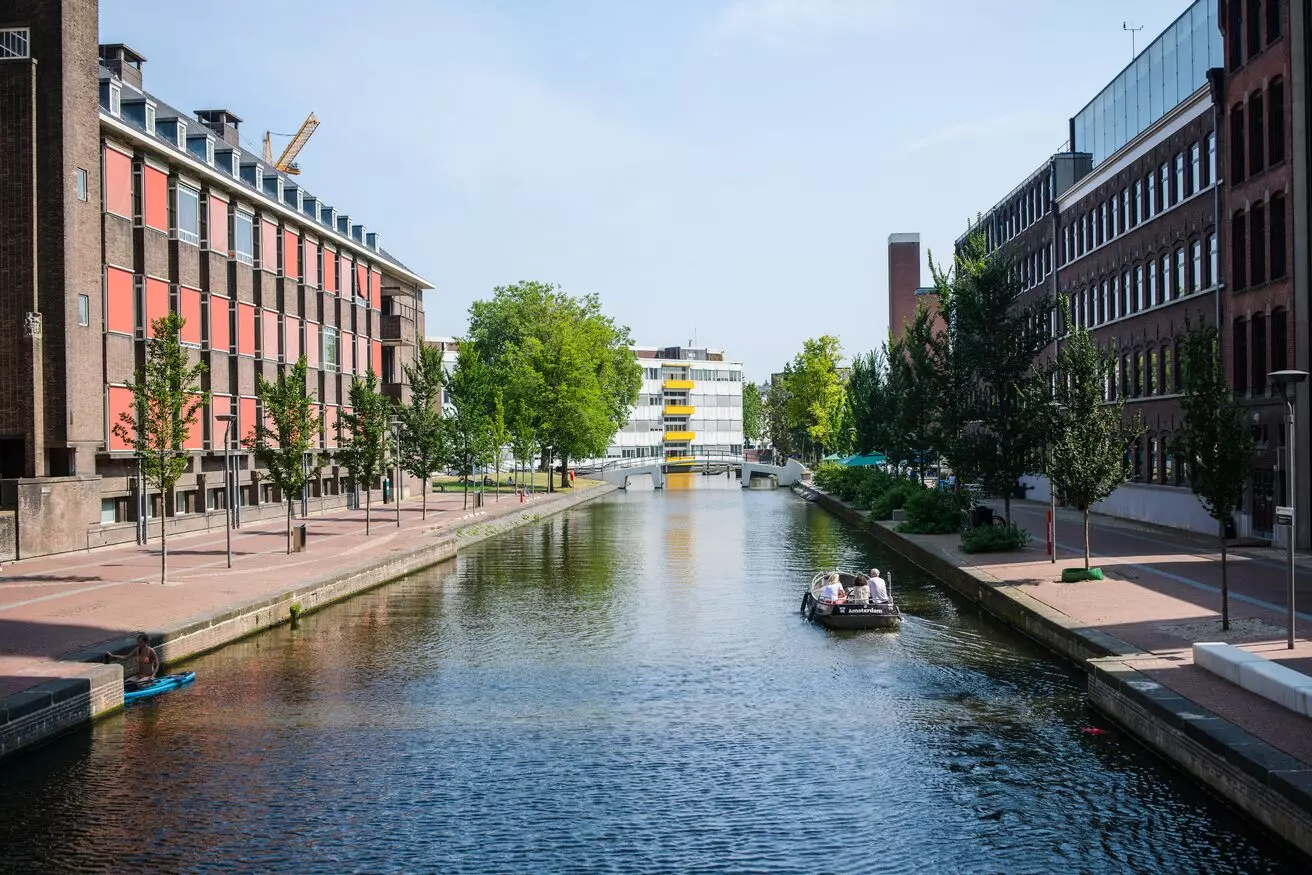
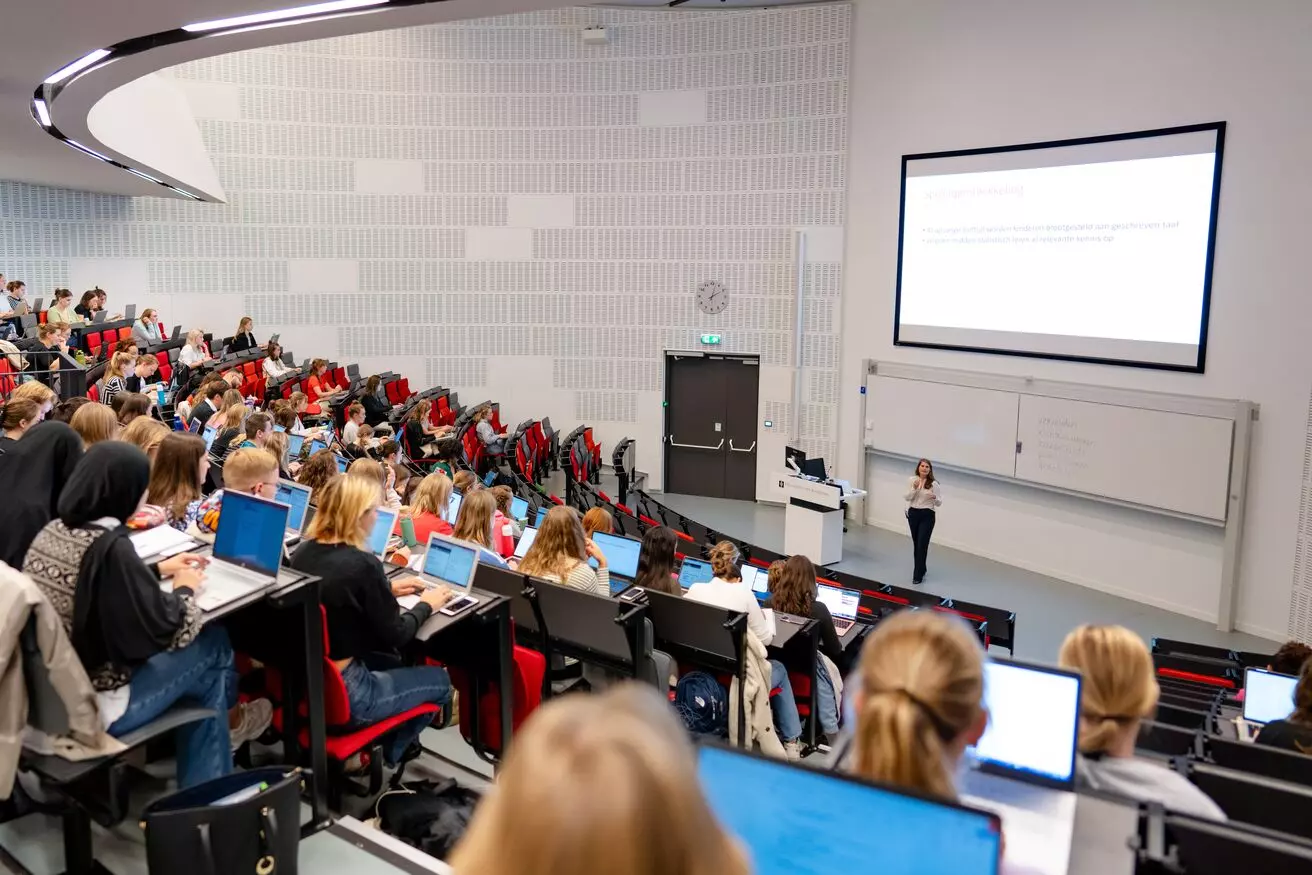
To work at the Department of Anthropology at the University of Amsterdam is to work in a discerning, independent, creative, innovative, and international climate characterised by an open atmosphere and a genuine engagement with academic colleagues as well as with the communities we study.You will join an inspiring academic environment at the Amsterdam Institute for Social Science Research (AISSR), be affiliated with the Exploring Diversity – Critical Ethnographies of Exclusion and Belonging research programme group and benefit from teaching opportunities.

About the Faculty of Social and Behavioural Sciences

The Faculty of Social and Behavioural Sciences (FMG) is the largest educational and research institution in the field of social and behavioural sciences in Europe. Here, we explore societal and human-centered issues, driven by scientific curiosity but also with an eye for current themes. For example, the impact of media and communication on individuals and society, healthcare challenges, global urbanization, human development, the role of political institutions, understanding the human mind, growing inequality, diversity issues, and changing social relationships.
In Europe and beyond, the FMG holds a leading position, thanks in part to its more than 1,300 staff members who contribute to education and research. Will you be one of them?

Your place at the UvA

This is where you will be working

You will work here

To work at the Department of Anthropology at the University of Amsterdam is to work in a discerning, independent, creative, innovative, and international climate characterised by an open atmosphere and a genuine engagement with academic colleagues as well as with the communities we study.You will join an inspiring academic environment at the Amsterdam Institute for Social Science Research (AISSR), be affiliated with the Exploring Diversity – Critical Ethnographies of Exclusion and Belonging research programme group and benefit from teaching opportunities.

About the Faculty of Social and Behavioural Sciences

The Faculty of Social and Behavioural Sciences (FMG) is the largest educational and research institution in the field of social and behavioural sciences in Europe. Here, we explore societal and human-centered issues, driven by scientific curiosity but also with an eye for current themes. For example, the impact of media and communication on individuals and society, healthcare challenges, global urbanization, human development, the role of political institutions, understanding the human mind, growing inequality, diversity issues, and changing social relationships.
In Europe and beyond, the FMG holds a leading position, thanks in part to its more than 1,300 staff members who contribute to education and research. Will you be one of them?

Important to know

Your application & contact

If this vacancy speaks to you, but you are uncertain whether you meet all requirements, please do get in touch with us or apply. In light of our department’s commitment to a diverse and inclusive working environment, we strongly encourage applications from qualified candidates who come from groups historically disenfranchised by and underrepresented in Dutch academia.

Do you recognize yourself in the job profile? Then we look forward to receiving your application You may apply online by using the link below.

Applications in one .pdf should be submitted no later than 9 March 2026, and should include:

  1. your application letter describing your qualifications and motivation. Please specify which aspects of the project you are interested in and tell us how you would approach the topic if you were to write a research proposal (2 pages max.);
  2. your Curriculum Vitae;
  3. a scan of your master’s diploma;
  4. contact information for two academic references (no letters of recommendation at this stage);
  5. an example of writing (max. 20 pages) that reflects your qualifications for this position.

Shortlisted candidates will be invited for an interview. Interviews will be held within the first weeks of April 2026.

Questions

Do you have any questions, or do you require additional information? Please contact:

No agencies please.

Diversity, Equity & Inclusion

As an employer, the UvA maintains an equal opportunities policy. We value diversity and are fully committed to being a place where everyone feels at home. We nurture inquisitive minds and perseverance and allow room for persistent questioning. With us, curiosity and creativity are the prevailing culture.
Studies show that women and members of underrepresented groups only apply for jobs if they meet 100% of the qualifications. Do you meet the educational requirements but not yet all of the requested experience? The UvA encourages you to apply anyway.

Important to know

Your application & contact

If this vacancy speaks to you, but you are uncertain whether you meet all requirements, please do get in touch with us or apply. In light of our department’s commitment to a diverse and inclusive working environment, we strongly encourage applications from qualified candidates who come from groups historically disenfranchised by and underrepresented in Dutch academia.

Do you recognize yourself in the job profile? Then we look forward to receiving your application You may apply online by using the link below.

Applications in one .pdf should be submitted no later than 9 March 2026, and should include:

  1. your application letter describing your qualifications and motivation. Please specify which aspects of the project you are interested in and tell us how you would approach the topic if you were to write a research proposal (2 pages max.);
  2. your Curriculum Vitae;
  3. a scan of your master’s diploma;
  4. contact information for two academic references (no letters of recommendation at this stage);
  5. an example of writing (max. 20 pages) that reflects your qualifications for this position.

Shortlisted candidates will be invited for an interview. Interviews will be held within the first weeks of April 2026.

Questions

Do you have any questions, or do you require additional information? Please contact:

No agencies please.

As an employer, the UvA maintains an equal opportunities policy. We value diversity and are fully committed to being a place where everyone feels at home. We nurture inquisitive minds and perseverance and allow room for persistent questioning. With us, curiosity and creativity are the prevailing culture.
Studies show that women and members of underrepresented groups only apply for jobs if they meet 100% of the qualifications. Do you meet the educational requirements but not yet all of the requested experience? The UvA encourages you to apply anyway.

Don't miss out on your dream job!

Sign up for a job alert and you'll receive automatic updates about new and relevant vacancies.

Don't miss out on your dream job!

Sign up for a job alert and you'll receive automatic updates about new and relevant vacancies.