PhD Position in Cognitive AI Methods

PhD Position in Cognitive AI Methods

Working at the UvA

Research project entitled “How smart is AI really? Methods for investigating intelligence in humans and AI”

We are looking for a PhD candidate to join our research project entitled “How smart is AI really? Methods for investigating intelligence in humans and AI”, funded by a NWO Vidi grant awarded to Claire Stevenson. This project is led by dr. Claire Stevenson (PI), dr. Han van der Maas (promotor) and dr. Martha Lewis (co-promotor). The project starts April 1st 2025.

The public summary of the project is as follows. AI-models appear to be rapidly developing human-like intelligence. For both scientists and the broader public, an urgent question is “How smart is AI currently and how intelligent will it become?”. However, we do not know because current methods for evaluating intelligence in people are not suitable for AI and vice versa due to inherent differences in learning, memory, and processing between these systems. This project develops the necessary methods to study how smart AI-models are compared to people, now and in the future, and sheds light on how to safely utilize AI in our daily lives.

This PhD project has three objectives:

(1) Build an app containing children’s games that assesses fluid intelligence accessible to both humans and AI.                                                         

(2) Develop psychometric methods to reliably and validly compare children’s and AI-models’ developing fluid intelligence.

(3) Evaluate whether leading theories of human developing intelligence, or a new alternative theory, can account for emergent AI cognitive capabilities.


Working at the UvA

Research project entitled “How smart is AI really? Methods for investigating intelligence in humans and AI”

We are looking for a PhD candidate to join our research project entitled “How smart is AI really? Methods for investigating intelligence in humans and AI”, funded by a NWO Vidi grant awarded to Claire Stevenson. This project is led by dr. Claire Stevenson (PI), dr. Han van der Maas (promotor) and dr. Martha Lewis (co-promotor). The project starts April 1st 2025.

The public summary of the project is as follows. AI-models appear to be rapidly developing human-like intelligence. For both scientists and the broader public, an urgent question is “How smart is AI currently and how intelligent will it become?”. However, we do not know because current methods for evaluating intelligence in people are not suitable for AI and vice versa due to inherent differences in learning, memory, and processing between these systems. This project develops the necessary methods to study how smart AI-models are compared to people, now and in the future, and sheds light on how to safely utilize AI in our daily lives.

This PhD project has three objectives:

(1) Build an app containing children’s games that assesses fluid intelligence accessible to both humans and AI.                                                         

(2) Develop psychometric methods to reliably and validly compare children’s and AI-models’ developing fluid intelligence.

(3) Evaluate whether leading theories of human developing intelligence, or a new alternative theory, can account for emergent AI cognitive capabilities.


All about this vacancy

What are you going to do

The PhD student is responsible for helping achieve these three objectives. They will collaborate with the supervisors, fellow PhD students, postdocs and international colleagues associated with the CreAI Lab (creailab.net).                                                                           

The research tasks will include data collection with children and AI-models; developing psychometric methods to reliably and validly compare children’s, adults' and AI-models’ fluid intelligence across a series of cognitive tasks; and conducting cross-sectional and longitudinal data analysis (e.g., item response theory, latent change score models) comparing children’s and AI-models’ developing intelligence.                                                                                          

Teaching is limited to 5% of the contracted hours, by assisting in courses and supervising (bachelor) thesis students.


What do you have to offer

A promising candidate has proven affinity with cognitive AI research, experience with data collection with children (in Dutch) and AI-models, psychometrics – especially in dealing with violations of measurement invariance, as well as extensive computer programming experience in R and Python.

Given that the project lies at the intersection of psychology, cognitive science, and AI, a successful candidate has an interest and the capacity to work and interact in a multidisciplinary team.                                                                        

Your experience and profile:

    • A master's degree with specialization in psychological methods or a related discipline.

    • Experience coding in R and Python (or related computer programming languages).

    • Excellent written and spoken command of both English and Dutch.


What else do we offer you

The position concerns temporary employment of 38 hours per week. The initial employment is for one year. Following a positive assessment and barring altered circumstances, this term will be extended for a total duration of 4 years, which should result in the conferral of a doctorate. We will put together a curriculum which will also include the opportunity to attend training courses and both national and international events.

For this position the University Job Classification profile 'promovendus' applies.

Your salary will be €3.059 gross per month in the first year and will increase to €3.881 in the final year, based on full-time employment and in keeping with the Collective Labour Agreement of Dutch Universities. We additionally offer an extensive package of secondary benefits, including 8% holiday allowance and a year-end bonus of 8.3%.

The UvA offers excellent possibilities for further professional development and education.

What else do we offer                                                                           

    • a position in which initiative and input are highly valued

    • an enthusiastic and warm team that is open to new colleagues

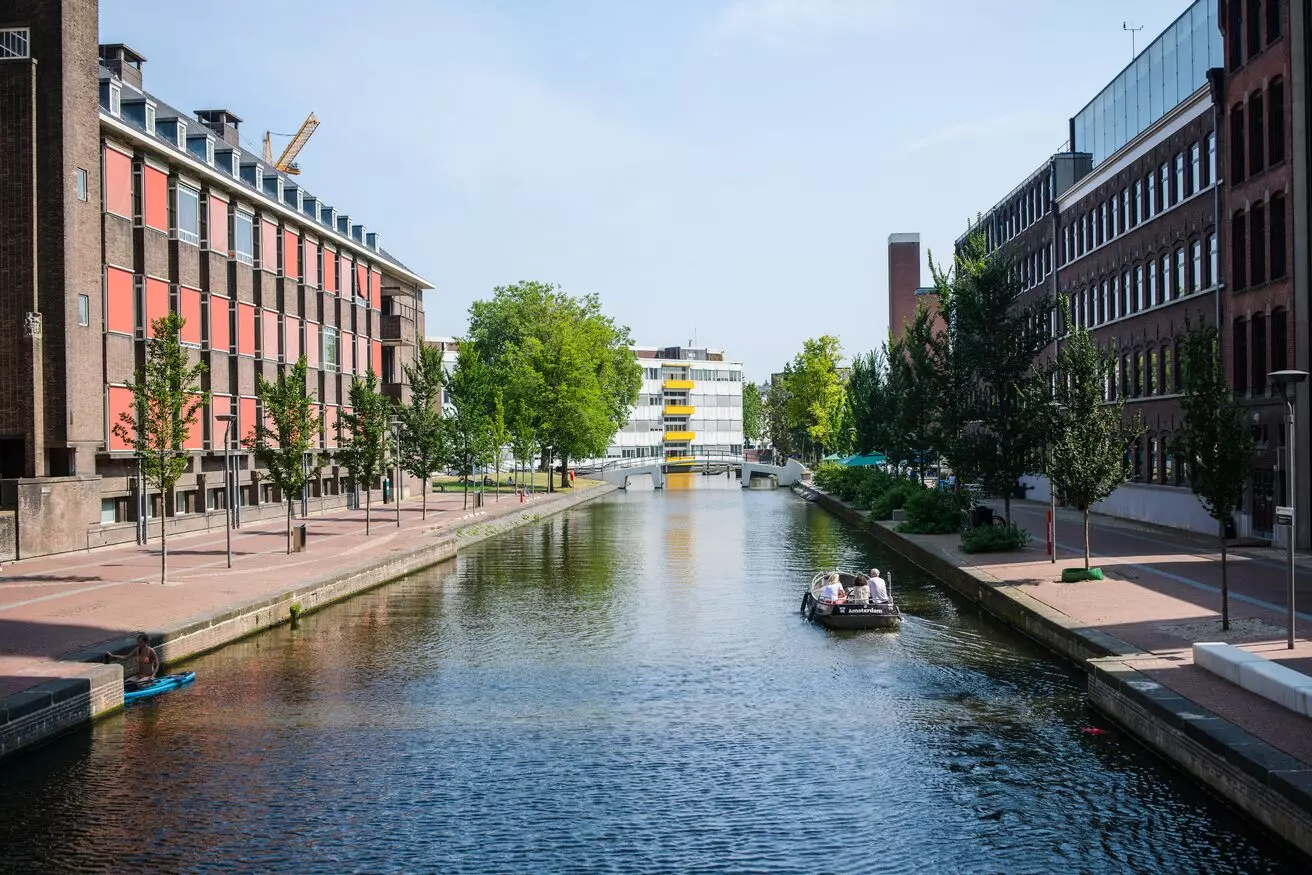
    • an inspiring academic and international working environment in the heart of Amsterdam.


All about this vacancy

What are you going to do

The PhD student is responsible for helping achieve these three objectives. They will collaborate with the supervisors, fellow PhD students, postdocs and international colleagues associated with the CreAI Lab (creailab.net).                                                                           

The research tasks will include data collection with children and AI-models; developing psychometric methods to reliably and validly compare children’s, adults' and AI-models’ fluid intelligence across a series of cognitive tasks; and conducting cross-sectional and longitudinal data analysis (e.g., item response theory, latent change score models) comparing children’s and AI-models’ developing intelligence.                                                                                          

Teaching is limited to 5% of the contracted hours, by assisting in courses and supervising (bachelor) thesis students.


What do you have to offer

A promising candidate has proven affinity with cognitive AI research, experience with data collection with children (in Dutch) and AI-models, psychometrics – especially in dealing with violations of measurement invariance, as well as extensive computer programming experience in R and Python.

Given that the project lies at the intersection of psychology, cognitive science, and AI, a successful candidate has an interest and the capacity to work and interact in a multidisciplinary team.                                                                        

Your experience and profile:

    • A master's degree with specialization in psychological methods or a related discipline.

    • Experience coding in R and Python (or related computer programming languages).

    • Excellent written and spoken command of both English and Dutch.


What else do we offer you

The position concerns temporary employment of 38 hours per week. The initial employment is for one year. Following a positive assessment and barring altered circumstances, this term will be extended for a total duration of 4 years, which should result in the conferral of a doctorate. We will put together a curriculum which will also include the opportunity to attend training courses and both national and international events.

For this position the University Job Classification profile 'promovendus' applies.

Your salary will be €3.059 gross per month in the first year and will increase to €3.881 in the final year, based on full-time employment and in keeping with the Collective Labour Agreement of Dutch Universities. We additionally offer an extensive package of secondary benefits, including 8% holiday allowance and a year-end bonus of 8.3%.

The UvA offers excellent possibilities for further professional development and education.

What else do we offer                                                                           

    • a position in which initiative and input are highly valued

    • an enthusiastic and warm team that is open to new colleagues

    • an inspiring academic and international working environment in the heart of Amsterdam.


Your place at the UvA

You will work here

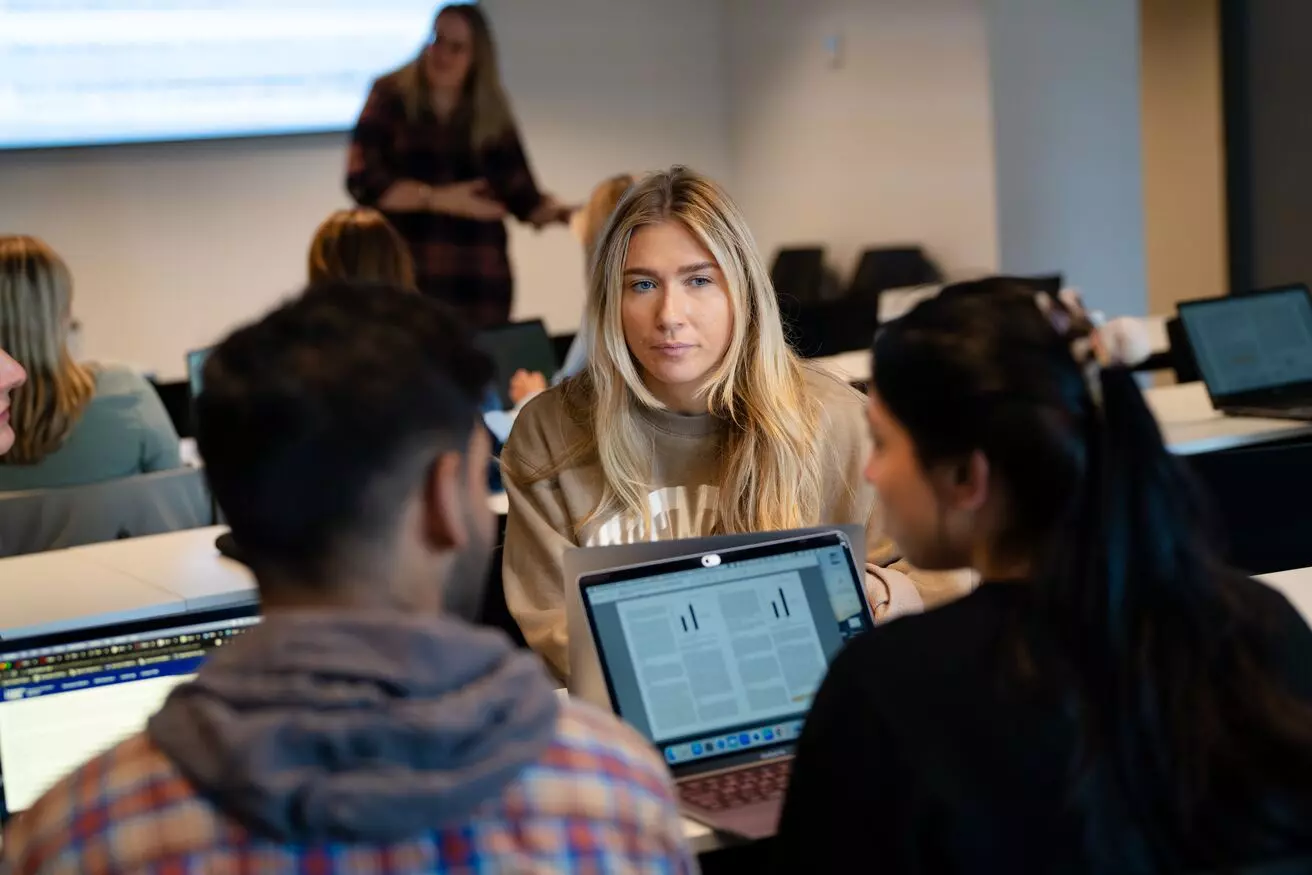
You will primarily work with the Cognitive AI Methods team led by dr. Claire Stevenson, with prof. dr. Han van der Maas acting as promotor and dr. Martha Lewis as co-promotor. Our team is interdisciplinary, combining expertise in psychology, AI, computational modeling and psychometrics. We have an active lab with weekly lab meetings and we also join the monthly lab meetings with other PhD students and postdocs associated with the A.D. de Groot Center for Cognitive AI (degroot.ai).

You will be embedded in the Psychological Methods programme group in the Psychology Department and collaborate closely with dr. Lewis and colleagues from the Institute of Logic, Language and Cognition (ILLC, UvA).

About the Faculty of Social and Behavioural Sciences

The Faculty of Social and Behavioural Sciences (FMG) is the largest educational and research institution in the field of social and behavioural sciences in Europe. Here, we explore societal and human-centered issues, driven by scientific curiosity but also with an eye for current themes. For example, the impact of media and communication on individuals and society, healthcare challenges, global urbanization, human development, the role of political institutions, understanding the human mind, growing inequality, diversity issues, and changing social relationships.
In Europe and beyond, the FMG holds a leading position, thanks in part to its more than 1,300 staff members who contribute to education and research. Will you be one of them?

Your place at the UvA

This is where you will be working

You will work here

You will primarily work with the Cognitive AI Methods team led by dr. Claire Stevenson, with prof. dr. Han van der Maas acting as promotor and dr. Martha Lewis as co-promotor. Our team is interdisciplinary, combining expertise in psychology, AI, computational modeling and psychometrics. We have an active lab with weekly lab meetings and we also join the monthly lab meetings with other PhD students and postdocs associated with the A.D. de Groot Center for Cognitive AI (degroot.ai).

You will be embedded in the Psychological Methods programme group in the Psychology Department and collaborate closely with dr. Lewis and colleagues from the Institute of Logic, Language and Cognition (ILLC, UvA).

About the Faculty of Social and Behavioural Sciences

The Faculty of Social and Behavioural Sciences (FMG) is the largest educational and research institution in the field of social and behavioural sciences in Europe. Here, we explore societal and human-centered issues, driven by scientific curiosity but also with an eye for current themes. For example, the impact of media and communication on individuals and society, healthcare challenges, global urbanization, human development, the role of political institutions, understanding the human mind, growing inequality, diversity issues, and changing social relationships.
In Europe and beyond, the FMG holds a leading position, thanks in part to its more than 1,300 staff members who contribute to education and research. Will you be one of them?

Important to know

Your application & contact

To apply to this position, please submit a curriculum vitae (max 3 pages) and a letter of motivation (max 2 pages, which also includes a short discussion of how you would approach the topic) pdf format. The deadline is February 2nd, 2026.

If you recognize yourself in this profile and are interested in the role, we look forward to receiving your motivation letter and CV. You can apply via the red button until February 2, 2025. Interviews will take place in the second week of February. In case of equal qualifications, internal candidates will be given preference over external candidates.

For questions about the vacancy, you can contact: Claire Stevenson, [email protected].

Diversity, Equity & Inclusion

As an employer, the UvA maintains an equal opportunities policy. We value diversity and are fully committed to being a place where everyone feels at home. We nurture inquisitive minds and perseverance and allow room for persistent questioning. With us, curiosity and creativity are the prevailing culture.
Studies show that women and members of underrepresented groups only apply for jobs if they meet 100% of the qualifications. Do you meet the educational requirements but not yet all of the requested experience? The UvA encourages you to apply anyway.

Important to know

Your application & contact

To apply to this position, please submit a curriculum vitae (max 3 pages) and a letter of motivation (max 2 pages, which also includes a short discussion of how you would approach the topic) pdf format. The deadline is February 2nd, 2026.

If you recognize yourself in this profile and are interested in the role, we look forward to receiving your motivation letter and CV. You can apply via the red button until February 2, 2025. Interviews will take place in the second week of February. In case of equal qualifications, internal candidates will be given preference over external candidates.

For questions about the vacancy, you can contact: Claire Stevenson, [email protected].

As an employer, the UvA maintains an equal opportunities policy. We value diversity and are fully committed to being a place where everyone feels at home. We nurture inquisitive minds and perseverance and allow room for persistent questioning. With us, curiosity and creativity are the prevailing culture.
Studies show that women and members of underrepresented groups only apply for jobs if they meet 100% of the qualifications. Do you meet the educational requirements but not yet all of the requested experience? The UvA encourages you to apply anyway.

Don't miss out on your dream job!

Sign up for a job alert and you'll receive automatic updates about new and relevant vacancies.

Don't miss out on your dream job!

Sign up for a job alert and you'll receive automatic updates about new and relevant vacancies.