We, and third parties, use cookies on our website. We use cookies to ensure that our website functions properly, to store your preferences, to gain insight into visitor behavior, but also for marketing and social media purposes (showing personalized advertisements). By clicking 'Accept', you agree to the use of all cookies. In our Cookie Statement. you can read more about the cookies we use and save or change your preferences. By clicking 'Refuse' you only agree to the use of functional cookies.

.jpg)
BLOCKADE explores the two global blockades of the First and Second World Wars, and their aftermaths. A cooperation between the universities of Trondheim, Hamburg, Freiburg and Amsterdam, BLOCKADE sets out to prove that these blockades are crucial to understanding not only the way the world wars were fought but also their globality and totality, their immediate effects and their long-term global repercussions. More information can be found on the project website: https://blockades.eu/

BLOCKADE explores the two global blockades of the First and Second World Wars, and their aftermaths. A cooperation between the universities of Trondheim, Hamburg, Freiburg and Amsterdam, BLOCKADE sets out to prove that these blockades are crucial to understanding not only the way the world wars were fought but also their globality and totality, their immediate effects and their long-term global repercussions. More information can be found on the project website: https://blockades.eu/
This postdoc position, part of the ERC-Synergy sponsored BLOCKADE project, seeks to understand the long legacies of blockades on the post-war order. Specifically, it questions how the blockades of the era of the total war influenced or inspired the key tools of the post-1945 liberal international order, namely inter- and supranational forms of credit, finance, and resource control under United Nations management. Specifically, it questions whether these blockade-mediated institutions facilitate or hinder the transition from dependence to independence and the subsequent integration of new African member states into the United Nations-backed global order. We are looking for someone with advanced skills in ‘decolonising’ international history to answer these questions! Case studies you will look must include one former French possession (e.g. Mali, Morocco, Tunisia) and one former British possession (e.g. Ghana, Sudan). The source base includes digitised UN Economic Commission for Africa records, as well as national financial and foreign office archives.

This postdoc position, part of the ERC-Synergy sponsored BLOCKADE project, seeks to understand the long legacies of blockades on the post-war order. Specifically, it questions how the blockades of the era of the total war influenced or inspired the key tools of the post-1945 liberal international order, namely inter- and supranational forms of credit, finance, and resource control under United Nations management. Specifically, it questions whether these blockade-mediated institutions facilitate or hinder the transition from dependence to independence and the subsequent integration of new African member states into the United Nations-backed global order. We are looking for someone with advanced skills in ‘decolonising’ international history to answer these questions! Case studies you will look must include one former French possession (e.g. Mali, Morocco, Tunisia) and one former British possession (e.g. Ghana, Sudan). The source base includes digitised UN Economic Commission for Africa records, as well as national financial and foreign office archives.
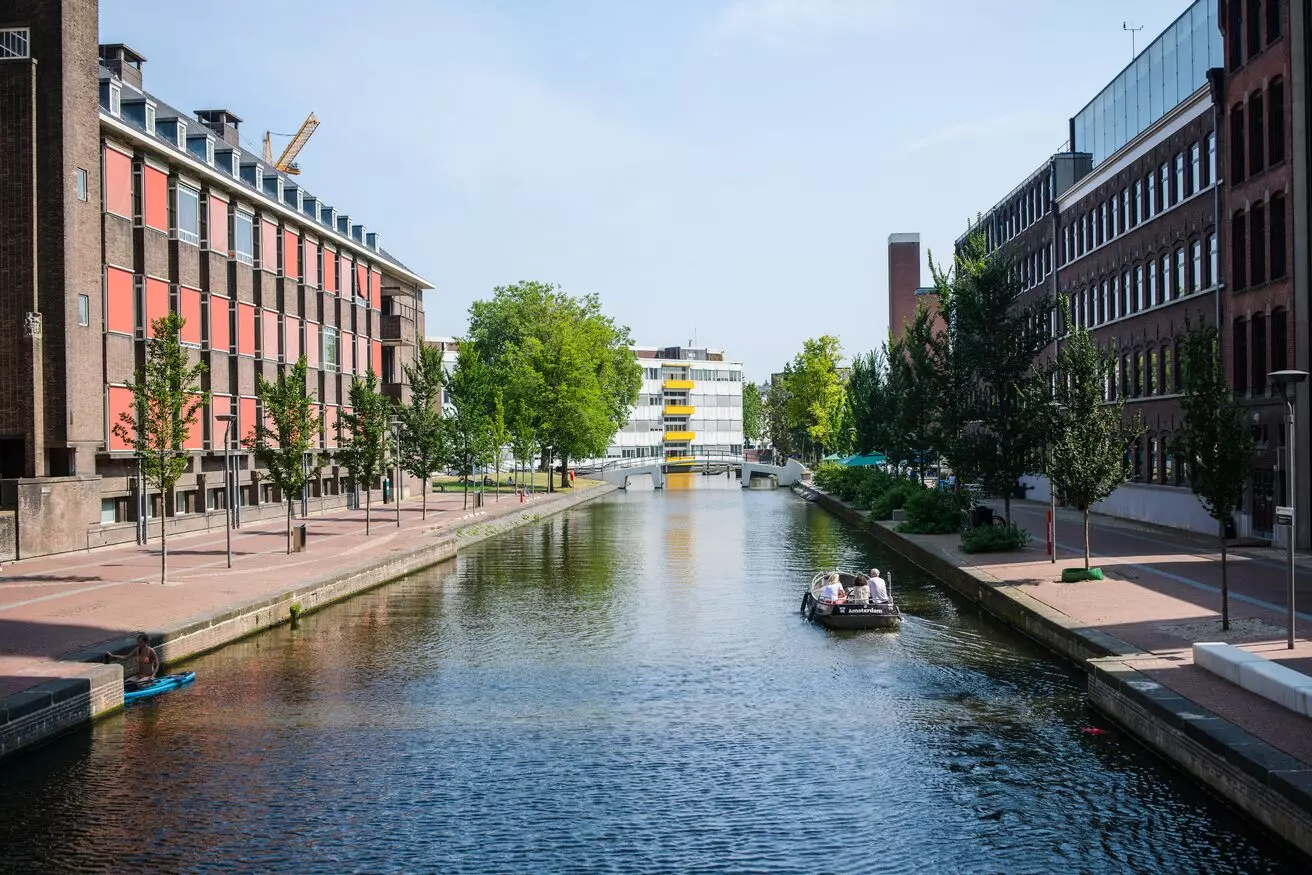
At the Amsterdam School of Historical Studies (ASH) of the University of Amsterdam you will benefit from an international, creative and independent work environment, as well as excellent terms of employment. Your place of work will be the vibrant city centre of Amsterdam as part of an internationally orientated history department. The project you will be working on is an essential part of the wider BLOCKADE project, bringing together four universities, 19 project members, and 4 PIs, in an interdisciplinary working environment with the ambitious goal to rewrite the history of the World Wars and their aftermaths.
Questions?
If you have any questions, please contact Samuël Kruizinga: [email protected].
Application
If you recognize yourself in the profile and are interested in the position, we look forward to receiving your application. To apply, please submit:
Please combine these files into a single PDF file.
The vacancy closes on 22-05-2026. The first round of interviews will take place in June 2026, and will take place online.
Questions?
If you have any questions, please contact Samuël Kruizinga: [email protected].
Application
If you recognize yourself in the profile and are interested in the position, we look forward to receiving your application. To apply, please submit:
Please combine these files into a single PDF file.
The vacancy closes on 22-05-2026. The first round of interviews will take place in June 2026, and will take place online.


.jpg)