We, and third parties, use cookies on our website. We use cookies to ensure that our website functions properly, to store your preferences, to gain insight into visitor behavior, but also for marketing and social media purposes (showing personalized advertisements). By clicking 'Accept', you agree to the use of all cookies. In our Cookie Statement. you can read more about the cookies we use and save or change your preferences. By clicking 'Refuse' you only agree to the use of functional cookies.

The Amsterdam School for Historical Studies (ASH) invites applications for a fully-funded PhD position (4 years, 1.0 FTE). This position is part of the ERC Synergy-funded research project BLOCKADE, which explores the global blockades of the First and Second World Wars, and their aftermaths. A cooperation between the universities of Trondheim, Hamburg, Freiburg and Amsterdam, BLOCKADE sets out to prove that these blockades are crucial to understanding not only how the world wars were fought but also their globality and totality, their immediate effects, and their long-term global repercussions. More information can be found on the project website: https://blockades.eu/

The Amsterdam School for Historical Studies (ASH) invites applications for a fully-funded PhD position (4 years, 1.0 FTE). This position is part of the ERC Synergy-funded research project BLOCKADE, which explores the global blockades of the First and Second World Wars, and their aftermaths. A cooperation between the universities of Trondheim, Hamburg, Freiburg and Amsterdam, BLOCKADE sets out to prove that these blockades are crucial to understanding not only how the world wars were fought but also their globality and totality, their immediate effects, and their long-term global repercussions. More information can be found on the project website: https://blockades.eu/
Social science, demography, and nutritional science played key roles during the blockades of the First and Second World Wars, especially where they related to food. This PhD project will analyse the interplay between the development of social, political and nutritional science and the blockades. In particular, it will study how, when, and why war-related experiences, funding flows, and policy impacted scientific developments related to food consumption and production and their social and cultural environs – and vice versa. Key sources for the study of the interplay between blockade and (scientific) knowledge are scientific journals, publications, conference proceedings and ego documents (in English, French and German), as well as select materials from local or state agencies in belligerent and/or neutral countries related to either the prosecution of or increasing resilience to the effects of blockade.
Samuël Kruizinga and Ingrid de Zwarte will be your PhD supervisors, Lisa Haushofer will co-supervise.

Social science, demography, and nutritional science played key roles during the blockades of the First and Second World Wars, especially where they related to food. This PhD project will analyse the interplay between the development of social, political and nutritional science and the blockades. In particular, it will study how, when, and why war-related experiences, funding flows, and policy impacted scientific developments related to food consumption and production and their social and cultural environs – and vice versa. Key sources for the study of the interplay between blockade and (scientific) knowledge are scientific journals, publications, conference proceedings and ego documents (in English, French and German), as well as select materials from local or state agencies in belligerent and/or neutral countries related to either the prosecution of or increasing resilience to the effects of blockade.
Samuël Kruizinga and Ingrid de Zwarte will be your PhD supervisors, Lisa Haushofer will co-supervise.
Please note that if you already hold a doctorate/PhD or are working towards obtaining a similar degree elsewhere, you will not be admitted to a doctoral programme at the UvA.
We also offer:
Please note that if you already hold a doctorate/PhD or are working towards obtaining a similar degree elsewhere, you will not be admitted to a doctoral programme at the UvA.
We also offer:
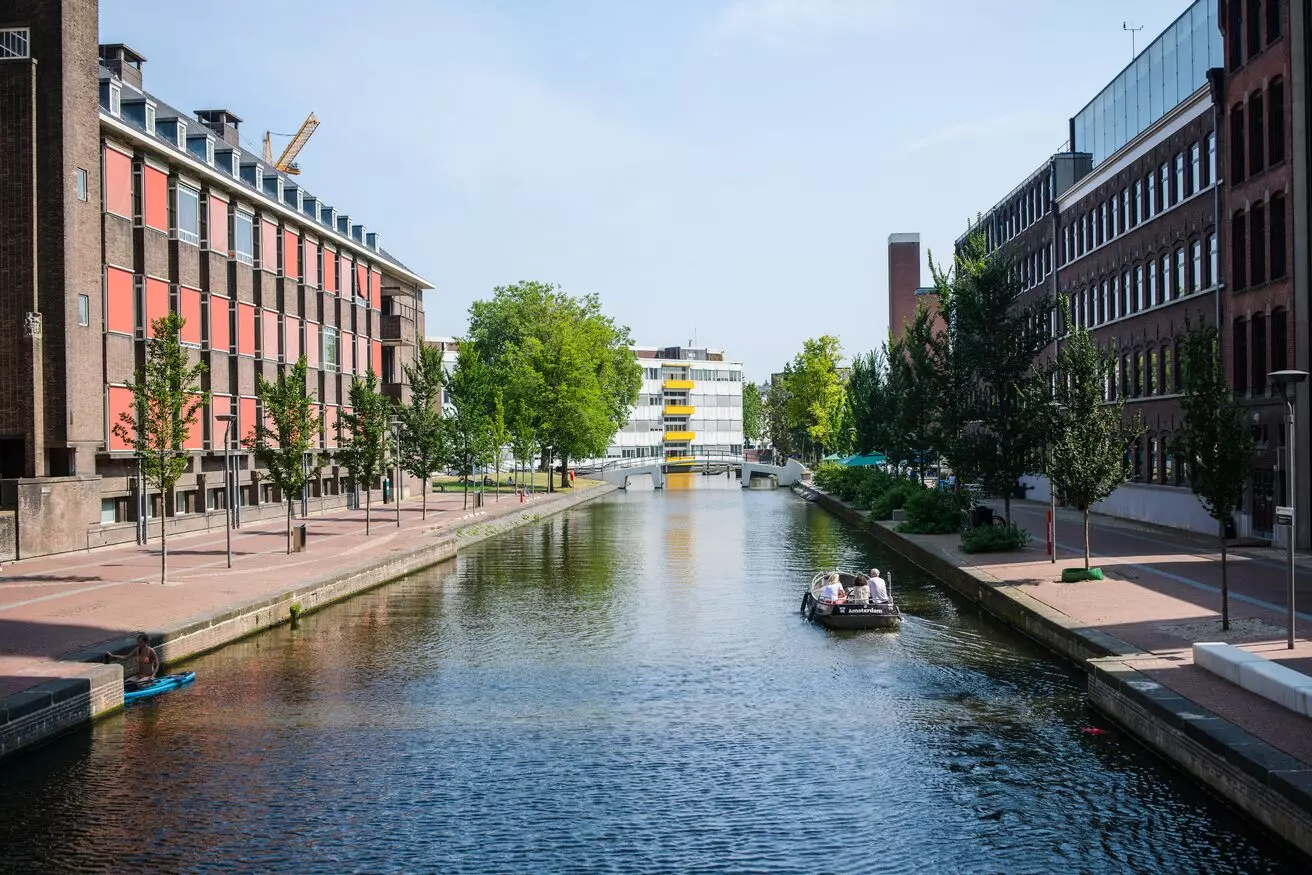
At the Amsterdam School of Historical Studies (ASH) of the University of Amsterdam you will benefit from an international, creative and independent work environment, as well as excellent terms of employment. Your place of work will be the vibrant city centre of Amsterdam, as part of an internationally orientated history department.
The project you will be working on is an essential part of the wider BLOCKADE project, bringing together four universities, 19 project members and 4 Principal Investigators in an interdisciplinary working environment with the ambitious goal to rewrite the history of the World Wars and their aftermaths.
At the Amsterdam School of Historical Studies (ASH) of the University of Amsterdam you will benefit from an international, creative and independent work environment, as well as excellent terms of employment. Your place of work will be the vibrant city centre of Amsterdam, as part of an internationally orientated history department.
The project you will be working on is an essential part of the wider BLOCKADE project, bringing together four universities, 19 project members and 4 Principal Investigators in an interdisciplinary working environment with the ambitious goal to rewrite the history of the World Wars and their aftermaths.
If you recognize yourself in the profile and are interested in the position, we look forward to receiving your application. We welcome and encourage applicants from all backgrounds, particularly ones that are currently underrepresented within the BLOCKADE project and within the Amsterdam School for Historical Studies.
As part of your application, please submit:
The vacancy closes on 17-04-2026. The first round of (online) interviews will take place in early-mid May 2026.
For questions about the position or department, you can contact us during office hours at:
If you recognize yourself in the profile and are interested in the position, we look forward to receiving your application. We welcome and encourage applicants from all backgrounds, particularly ones that are currently underrepresented within the BLOCKADE project and within the Amsterdam School for Historical Studies.
As part of your application, please submit:
The vacancy closes on 17-04-2026. The first round of (online) interviews will take place in early-mid May 2026.
For questions about the position or department, you can contact us during office hours at: