This website uses cookies
We, and third parties, use cookies on our website. We use cookies to ensure that our website functions properly, to store your preferences, to gain insight into visitor behavior, but also for marketing and social media purposes (showing personalized advertisements). By clicking 'Accept', you agree to the use of all cookies. In our Cookie Statement. you can read more about the cookies we use and save or change your preferences. By clicking 'Refuse' you only agree to the use of functional cookies.

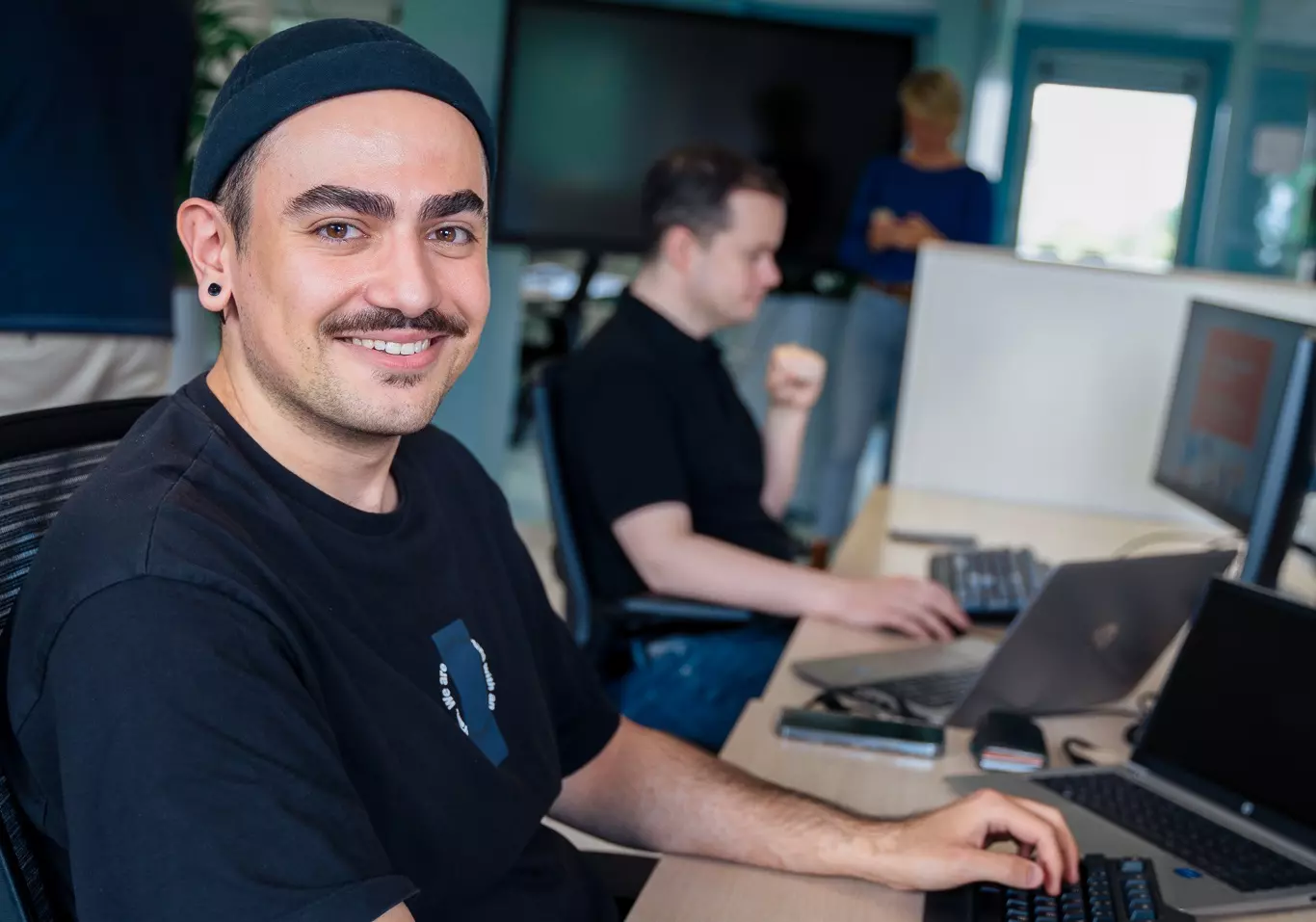
Are you an enthusiastic IT-minded scientist or technical professional who enjoys building robust, automated workflows for computational research data? The Computational Chemistry group in the Van ’t Hoff Institute for Molecular Sciences (HIMS) is looking for a part time system administrator/technician to support the FAIR4ChemNL project.
ICT Technician Automation of Computational Chemistry Workflows
- Faculty of Science
- 14850
- Master's
- €3.708 - €5.057
- Closes on28-02-2026
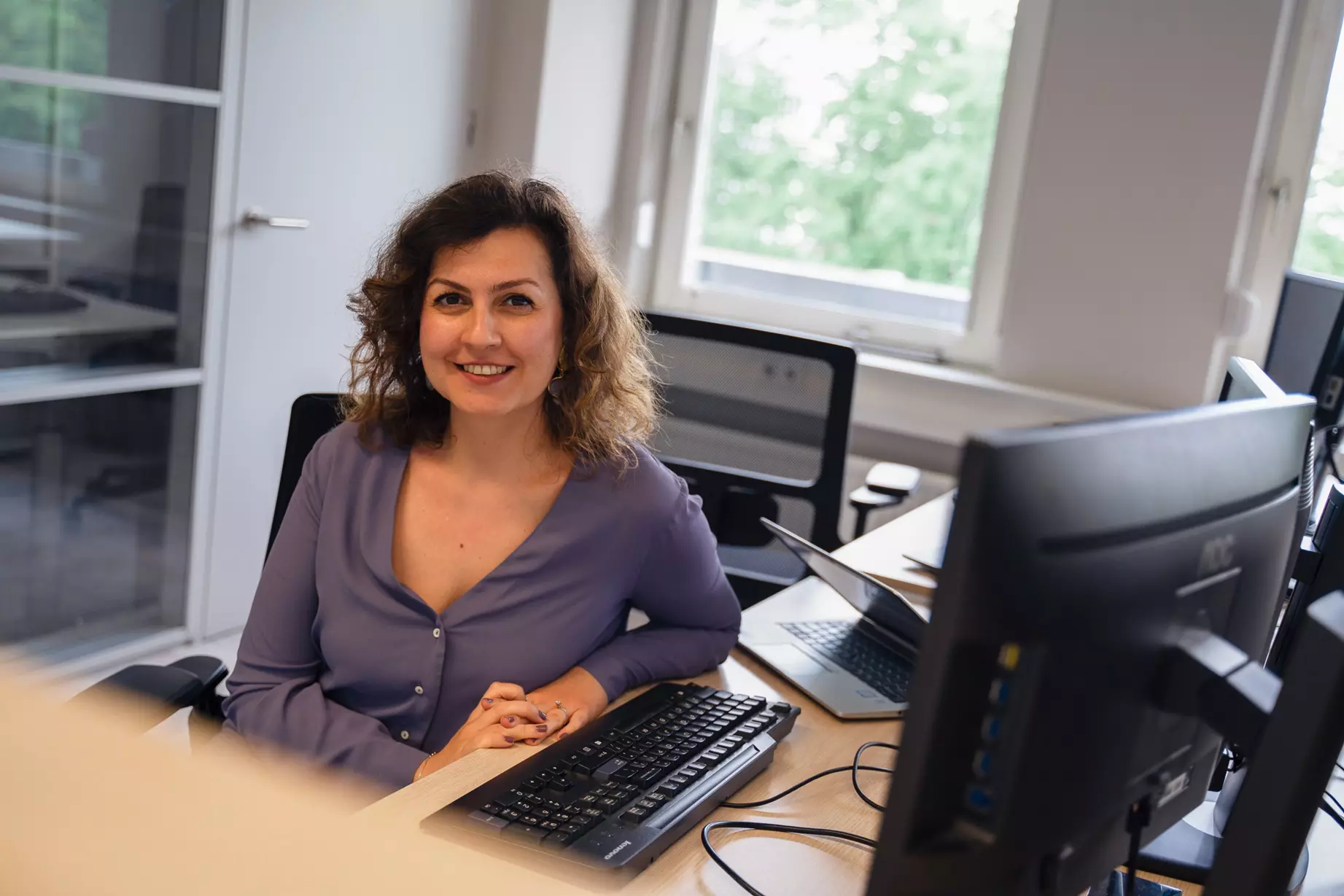
Are you an enthusiastic IT-minded scientist or technical professional who enjoys building robust, automated workflows for computational research data? The Computational Chemistry group in the Van ’t Hoff Institute for Molecular Sciences (HIMS) is looking for a part time system administrator/technician to support the FAIR4ChemNL project.
ICT Technician Automation of Computational Chemistry Workflows
- Faculty of Science
- 14850
- Master's
- €3.708 - €5.057
- Closes on28-02-2026
Working at the UvA
Join us!
FAIR4ChemNL is a national initiative that accelerates the adoption of FAIR (Findable, Accessible, Interoperable, Reusable) data standards across chemistry, bringing together leading groups in catalysis, computational chemistry, and digital infrastructure.
Within FAIR4ChemNL, you will focus on implementing automated workflows for storing, processing and sharing computational chemistry and spectroscopy data, and on ensuring interoperability with experimental data generated in other work packages. You will play a key technical role in making these workflows reliable, reusable and easy to adopt by researchers in our group and beyond.

Working at the UvA
Join us!
FAIR4ChemNL is a national initiative that accelerates the adoption of FAIR (Findable, Accessible, Interoperable, Reusable) data standards across chemistry, bringing together leading groups in catalysis, computational chemistry, and digital infrastructure.
Within FAIR4ChemNL, you will focus on implementing automated workflows for storing, processing and sharing computational chemistry and spectroscopy data, and on ensuring interoperability with experimental data generated in other work packages. You will play a key technical role in making these workflows reliable, reusable and easy to adopt by researchers in our group and beyond.
All about this vacancy
This is what you are going to do
- Implement, maintain and document automated workflows for computational chemistry and spectroscopy data, in close alignment with data and metadata standards defined in FAIR4ChemNL.
- Set up and maintain the storage and organization of computational data (file systems, databases, repositories) in line with FAIR principles and institutional/national solutions (e.g. Yoda, iRODS or comparable platforms), enabling long‑term, reusable archiving of research data.
- Develop and maintain scripts and tools (e.g. in Python, shell) to:
- capture essential input, output and metadata from simulation codes,
- automate routine data processing steps,
- generate standardized data packages for sharing with project partners.
- Support the integration of computational and experimental data by working with colleagues in other FAIR4ChemNL work packages to harmonise data formats, identifiers and metadata for spectroscopy and materials characterization.
- Provide hands‑on technical support to PhD candidates, postdocs and staff in the Ensing group for:
- using and adapting the developed workflows,
- organizing and backing up simulation data,
- troubleshooting issues in data pipelines and computational environments.
- Contribute to internal documentation, short how‑to guides and (where appropriate) public project deliverables on computational data workflows and good data management practices.
This is what we ask of you
You have/are:
- A completed Master’s degree in computer science, (computational) chemistry, physics, chemical engineering, or a related field, with a strong affinity for computational research and data management.
- Solid experience with Linux-based environments and command‑line tools.
- Good scripting/programming skills (e.g. Python, Bash); experience with version control (Git) is an advantage.
- Familiarity with computational chemistry or materials simulation workflows (e.g. quantum chemistry, molecular dynamics, or related tools) is a strong plus.
- Some experience or strong interest in research data management, FAIR data, and reproducible workflows (e.g. use of electronic lab notebooks, data repositories, or workflow engines).
- The ability to work systematically and document your work clearly, with an eye for robustness and long‑term maintainability.
- Excellent communication skills in oral and written English.
- A proactive, service‑oriented attitude and strong time‑management skills; you enjoy collaborating with researchers in an academic environment.
This is what we offer you
We offer a part‑time appointment (0.25 FTE) at the Faculty of Science for the duration of the FAIR4ChemNL project, initially for 12 months. An extension maybe possible based on available funding combined with adequate performance. Preferred starting date to be agreed upon together.
The gross monthly salary, based on 38 hours per week and dependent on relevant experience, ranges between € 3,708 - € 5,057 (scale 9). A favourable tax agreement, the ‘30% ruling’, may apply to non-Dutch applicants. The Collective Labour Agreement of Dutch Universities is applicable.
Besides the salary and a vibrant and challenging environment at Science Park we offer you multiple fringe benefits:
- 232 holiday hours per year (based on fulltime) and extra holidays between Christmas and 1 January;
- multiple courses to follow from our Teaching and Learning Centre;
- multiple courses on topics such as leadership for academic staff;
- multiple courses on topics such as time management, handling stress and an online learning platform with 100+ different courses;
- 7 weeks birth leave (partner leave) with 100% salary;
- partly paid parental leave;
- the possibility to set up a workplace at home;
- a pension at ABP for which UvA pays two third part of the contribution;
- the possibility to follow courses to learn Dutch;
Are you curious to read more about our extensive package of secondary employment benefits, take a look here.
All about this vacancy
This is what you are going to do
- Implement, maintain and document automated workflows for computational chemistry and spectroscopy data, in close alignment with data and metadata standards defined in FAIR4ChemNL.
- Set up and maintain the storage and organization of computational data (file systems, databases, repositories) in line with FAIR principles and institutional/national solutions (e.g. Yoda, iRODS or comparable platforms), enabling long‑term, reusable archiving of research data.
- Develop and maintain scripts and tools (e.g. in Python, shell) to:
- capture essential input, output and metadata from simulation codes,
- automate routine data processing steps,
- generate standardized data packages for sharing with project partners.
- Support the integration of computational and experimental data by working with colleagues in other FAIR4ChemNL work packages to harmonise data formats, identifiers and metadata for spectroscopy and materials characterization.
- Provide hands‑on technical support to PhD candidates, postdocs and staff in the Ensing group for:
- using and adapting the developed workflows,
- organizing and backing up simulation data,
- troubleshooting issues in data pipelines and computational environments.
- Contribute to internal documentation, short how‑to guides and (where appropriate) public project deliverables on computational data workflows and good data management practices.
This is what we ask of you
You have/are:
- A completed Master’s degree in computer science, (computational) chemistry, physics, chemical engineering, or a related field, with a strong affinity for computational research and data management.
- Solid experience with Linux-based environments and command‑line tools.
- Good scripting/programming skills (e.g. Python, Bash); experience with version control (Git) is an advantage.
- Familiarity with computational chemistry or materials simulation workflows (e.g. quantum chemistry, molecular dynamics, or related tools) is a strong plus.
- Some experience or strong interest in research data management, FAIR data, and reproducible workflows (e.g. use of electronic lab notebooks, data repositories, or workflow engines).
- The ability to work systematically and document your work clearly, with an eye for robustness and long‑term maintainability.
- Excellent communication skills in oral and written English.
- A proactive, service‑oriented attitude and strong time‑management skills; you enjoy collaborating with researchers in an academic environment.
This is what we offer you
We offer a part‑time appointment (0.25 FTE) at the Faculty of Science for the duration of the FAIR4ChemNL project, initially for 12 months. An extension maybe possible based on available funding combined with adequate performance. Preferred starting date to be agreed upon together.
The gross monthly salary, based on 38 hours per week and dependent on relevant experience, ranges between € 3,708 - € 5,057 (scale 9). A favourable tax agreement, the ‘30% ruling’, may apply to non-Dutch applicants. The Collective Labour Agreement of Dutch Universities is applicable.
Besides the salary and a vibrant and challenging environment at Science Park we offer you multiple fringe benefits:
- 232 holiday hours per year (based on fulltime) and extra holidays between Christmas and 1 January;
- multiple courses to follow from our Teaching and Learning Centre;
- multiple courses on topics such as leadership for academic staff;
- multiple courses on topics such as time management, handling stress and an online learning platform with 100+ different courses;
- 7 weeks birth leave (partner leave) with 100% salary;
- partly paid parental leave;
- the possibility to set up a workplace at home;
- a pension at ABP for which UvA pays two third part of the contribution;
- the possibility to follow courses to learn Dutch;
Are you curious to read more about our extensive package of secondary employment benefits, take a look here.
Your place at the UvA
This is where you will work
The Van 't Hoff Institute for Molecular Sciences (HIMS) is one of eight institutes of the University of Amsterdam (UvA) Faculty of Science. HIMS performs internationally recognized chemistry and molecular research, curiosity driven as well as application driven. This is done in close cooperation with the chemical, flavor & food, medical and high-tech industries. Research is organized into four themes: Analytical Chemistry, Computational Chemistry, Synthesis & Catalysis and Molecular Photonics.
The Faculty of Science has a student body of around 8,000, as well as 1,800 members of staff working in education, research or support services. Researchers and students at the Faculty of Science are fascinated by every aspect of how the world works, be it elementary particles, the birth of the universe or the functioning of the brain.
The Computational Chemistry Group is one of the research groups within the Van 't Hoff Institute for Molecular Sciences at the University of Amsterdam. Our research focuses on the development and application of advanced molecular simulation and multiscale modelling
methodology to obtain novel and improved understanding of the behaviour of (bio)materials, and of complex (bio)chemical and physical processes that are of technological and scientific importance.
More about the UvA
Your place at the UvA
This is where you will be working
This is where you will work
The Van 't Hoff Institute for Molecular Sciences (HIMS) is one of eight institutes of the University of Amsterdam (UvA) Faculty of Science. HIMS performs internationally recognized chemistry and molecular research, curiosity driven as well as application driven. This is done in close cooperation with the chemical, flavor & food, medical and high-tech industries. Research is organized into four themes: Analytical Chemistry, Computational Chemistry, Synthesis & Catalysis and Molecular Photonics.
The Faculty of Science has a student body of around 8,000, as well as 1,800 members of staff working in education, research or support services. Researchers and students at the Faculty of Science are fascinated by every aspect of how the world works, be it elementary particles, the birth of the universe or the functioning of the brain.
The Computational Chemistry Group is one of the research groups within the Van 't Hoff Institute for Molecular Sciences at the University of Amsterdam. Our research focuses on the development and application of advanced molecular simulation and multiscale modelling
methodology to obtain novel and improved understanding of the behaviour of (bio)materials, and of complex (bio)chemical and physical processes that are of technological and scientific importance.
More about the UvA
Important to know
Your application & contact
If you recognise yourself in the profile and are interested in the position, we look forward to receiving your motivation letter and CV. You can respond via the red button up to the 28th of February, 2026.
Please include the following documents in your application (as PDF files):
- A motivation letter (max. 2 pages A4)
- Your CV, including the months (not just years) when referring to your education and work experience, including a list of publications
- Contact details of at least one academic reference
We will review applications on a rolling basis and continue recruiting until the position is filled.
A knowledge security check can be part of the selection procedure (for details: national knowledge security guidelines). If you receive an error message while applying from abroad, please try again later or contact us for assistance.
For questions about the position, please contact:
Prof. dr. Bernd Ensing, Professor of AI for Chemistry and director of the AI4Science Laboratory, Prof. dr. Bernd Ensing, [email protected]
Diversity, Equity & Inclusion
Important to know
Your application & contact
If you recognise yourself in the profile and are interested in the position, we look forward to receiving your motivation letter and CV. You can respond via the red button up to the 28th of February, 2026.
Please include the following documents in your application (as PDF files):
- A motivation letter (max. 2 pages A4)
- Your CV, including the months (not just years) when referring to your education and work experience, including a list of publications
- Contact details of at least one academic reference
We will review applications on a rolling basis and continue recruiting until the position is filled.
A knowledge security check can be part of the selection procedure (for details: national knowledge security guidelines). If you receive an error message while applying from abroad, please try again later or contact us for assistance.
For questions about the position, please contact:
Prof. dr. Bernd Ensing, Professor of AI for Chemistry and director of the AI4Science Laboratory, Prof. dr. Bernd Ensing, [email protected]
Other interesting vacancies for you
PhD researcher in European Law
- Amsterdam Law School
- €3.059 - €3.881
- University
- Closes on22-03-2026
Then this position as PhD, which offers an exciting chance develop and work on your own research project, is for you!
PhD Integrating ecology, mathematical modelling and social science to mitigate tropical disease risk
- Faculty of Science
- €3.059 - €3.881
- Master's
- Closes on04-03-2026
.jpg)
PhD Position in Human-Centered AI for Programming Environments
- Faculty of Science
- €3.059 - €3.881
- Master's
- Closes on28-02-2026
Other interesting vacancies for you
PhD researcher in European Law
- Amsterdam Law School
- €3.059 - €3.881
- University
- Closes on22-03-2026
Then this position as PhD, which offers an exciting chance develop and work on your own research project, is for you!

PhD Integrating ecology, mathematical modelling and social science to mitigate tropical disease risk
- Faculty of Science
- €3.059 - €3.881
- Master's
- Closes on04-03-2026

PhD Position in Human-Centered AI for Programming Environments
- Faculty of Science
- €3.059 - €3.881
- Master's
- Closes on28-02-2026

Don't miss out on your dream job!