We, and third parties, use cookies on our website. We use cookies to ensure that our website functions properly, to store your preferences, to gain insight into visitor behavior, but also for marketing and social media purposes (showing personalized advertisements). By clicking 'Accept', you agree to the use of all cookies. In our Cookie Statement. you can read more about the cookies we use and save or change your preferences. By clicking 'Refuse' you only agree to the use of functional cookies.

.jpg)
We are looking for a postdoctoral researcher in clinical decision making in modular psychotherapy for youth mental health.

We are looking for a postdoctoral researcher in clinical decision making in modular psychotherapy for youth mental health.
This 10-month postdoc project will be conducted in the Research Institute of Child Development and Education at the University of Amsterdam. The aim of the research will be to better understand how clinicians can (and are willing to) use algorithm-based predictions to select intervention components in youth psychotherapy. To achieve this understanding, we will conduct a mixed-method study in which clinicians are presented with different types of algorithm-based predictions.

This 10-month postdoc project will be conducted in the Research Institute of Child Development and Education at the University of Amsterdam. The aim of the research will be to better understand how clinicians can (and are willing to) use algorithm-based predictions to select intervention components in youth psychotherapy. To achieve this understanding, we will conduct a mixed-method study in which clinicians are presented with different types of algorithm-based predictions.
Your primary tasks will be to:
We are looking for a candidate who is eager to further develop their understanding of the circumstances under which clinicians are less or more likely to use the support of algorithmic predictions in mental health care. The candidate must thrive in a collaborative environment that asks for autonomy and flexibility and hold a proactive, mastery-oriented approach to one's learning process.
Your experience and profile:
The position concerns a temporary employment of 30.4 hours (0.8 FTE) per week for 10 months. The starting date is 01 September 2026. Your salary will be €4,728 gross per month (scale 11,0; based on 38 hours per week), keeping with the Collective Labour Agreement of Dutch Universities. We additionally offer an extensive package of secondary benefits, including 8% holiday allowance and a year-end bonus of 8.3%. The UvA offers excellent possibilities for further professional development and education.
Your primary tasks will be to:
We are looking for a candidate who is eager to further develop their understanding of the circumstances under which clinicians are less or more likely to use the support of algorithmic predictions in mental health care. The candidate must thrive in a collaborative environment that asks for autonomy and flexibility and hold a proactive, mastery-oriented approach to one's learning process.
Your experience and profile:
The position concerns a temporary employment of 30.4 hours (0.8 FTE) per week for 10 months. The starting date is 01 September 2026. Your salary will be €4,728 gross per month (scale 11,0; based on 38 hours per week), keeping with the Collective Labour Agreement of Dutch Universities. We additionally offer an extensive package of secondary benefits, including 8% holiday allowance and a year-end bonus of 8.3%. The UvA offers excellent possibilities for further professional development and education.
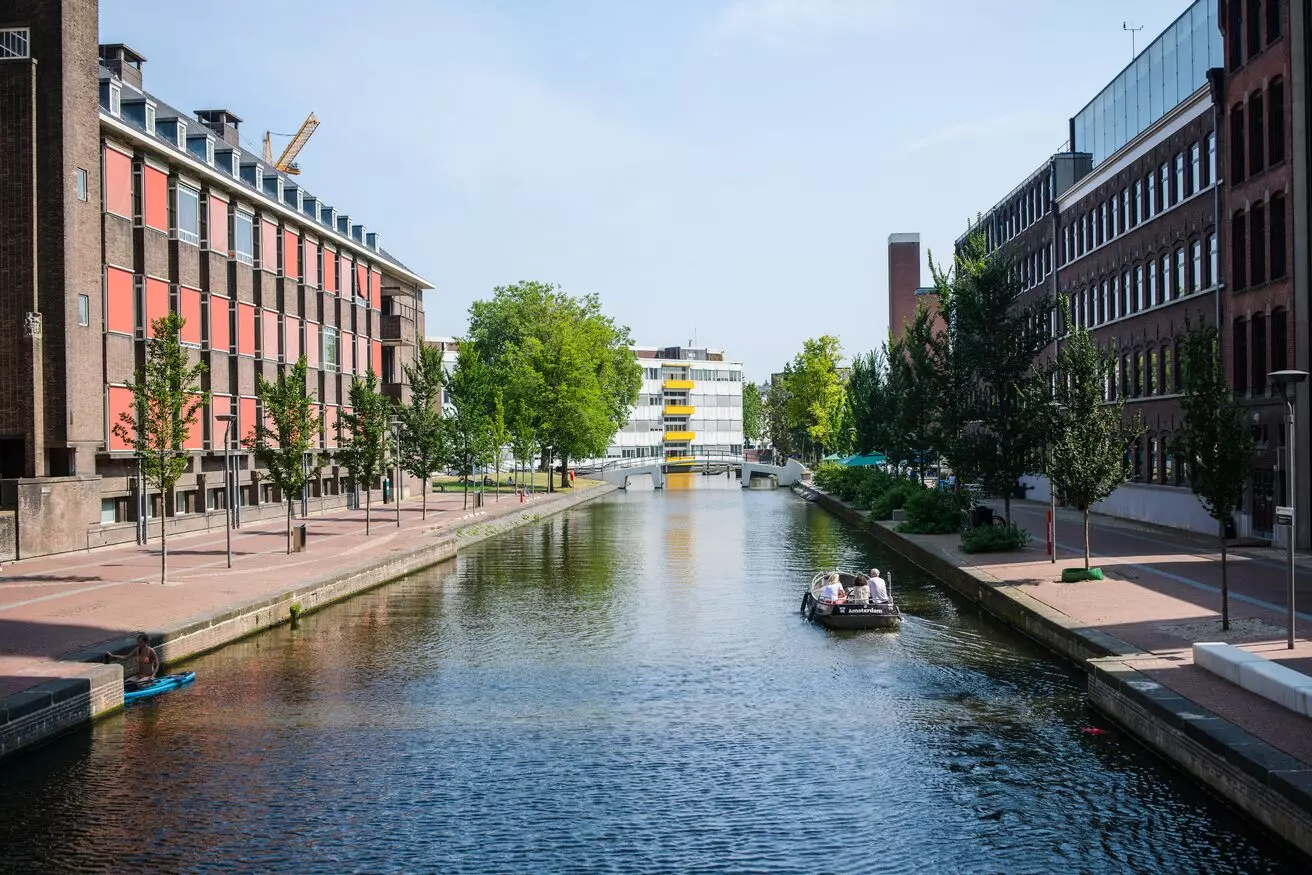
The Research Institute of Child Development and Education (RICDE) is part of the Faculty of Social and Behavioural Sciences at the University of Amsterdam. Dedicated to advancing knowledge on the development, learning, and well-being of children, the institute integrates cutting-edge research with real-world applications to impact education and care. We offer a dynamic environment paired with an informal and supportive atmosphere. The institute is situated centrally in Amsterdam, an international city consistently ranked as one of the world’s top places to live. Our faculty offers excellent facilities for undertaking research in a broad range of areas, including EEG, ERP, TMS, fMRI, social observations labs, eye-tracker, and physiological measurement. The Family lab of the faculty comprises two large video studios for observing and filming the behaviour of children and family interaction.
If you recognize yourself in this profile and are interested in the role, we look forward to receiving your motivation letter and CV. You can apply via the red button until 20 April 2026.
Applications bundled in one .pdf should include:
• a curriculum vitae.
• a letter of motivation.
• A copy of one of your scientific papers that you are particularly
Interviews will take place in the week of 27 April 2026. In case of equal qualifications, internal candidates will be given preference over external candidates. For questions about the vacancy, you can contact: Patty Leijten ([email protected])
If you recognize yourself in this profile and are interested in the role, we look forward to receiving your motivation letter and CV. You can apply via the red button until 20 April 2026.
Applications bundled in one .pdf should include:
• a curriculum vitae.
• a letter of motivation.
• A copy of one of your scientific papers that you are particularly
Interviews will take place in the week of 27 April 2026. In case of equal qualifications, internal candidates will be given preference over external candidates. For questions about the vacancy, you can contact: Patty Leijten ([email protected])
.jpg)