We, and third parties, use cookies on our website. We use cookies to ensure that our website functions properly, to store your preferences, to gain insight into visitor behavior, but also for marketing and social media purposes (showing personalized advertisements). By clicking 'Accept', you agree to the use of all cookies. In our Cookie Statement. you can read more about the cookies we use and save or change your preferences. By clicking 'Refuse' you only agree to the use of functional cookies.

The Humane AI research priority area of the University of Amsterdam is looking for a new PostDoc to amend our existing team (https://humane-ai.nl/). AI is everywhere. Chatbots, translation tools, shopping assistants, hyper-personalised services - as Large Language Models become widely accessible, they're reshaping how we live, work, play and connect. This rapid shift sparks big questions: Whose norms and values shape this AI-driven society—and who gets left behind? What are the rules that govern the development and deployment of Generative AI different sectors of society, and towards what kind of society will they steer us? Is the risked-based approach to AI.

The Humane AI research priority area of the University of Amsterdam is looking for a new PostDoc to amend our existing team (https://humane-ai.nl/). AI is everywhere. Chatbots, translation tools, shopping assistants, hyper-personalised services - as Large Language Models become widely accessible, they're reshaping how we live, work, play and connect. This rapid shift sparks big questions: Whose norms and values shape this AI-driven society—and who gets left behind? What are the rules that govern the development and deployment of Generative AI different sectors of society, and towards what kind of society will they steer us? Is the risked-based approach to AI.
The Humane AI research priority area of the University of Amsterdam is looking for a new PostDoc in Open-source AI for Social Sciences and Humanities to amend our existing team (https://humane-ai.nl/). The RPA is dedicated to research on an AI that is everywhere. Chatbots, translation tools, shopping assistants, hyper-personalised services - as Large Language Models become widely accessible, they're reshaping how we live, work, play and connect. This rapid shift sparks big questions: Whose norms and values shape this AI-driven society—and who gets left behind? What are the rules that govern the development and deployment of Generative AI different sectors of society, and towards what kind of society will they steer us?
For this post, we are interested in a PostDoc that works at the cutting edge of new AI methodological challenges. Scholars in the Social Sciences and Humanities (SSH) are facing a critical methodological juncture. While commercial AI tools like ChatGPT offer powerful capabilities for text analysis and coding, they act as black boxes that obscure how data is processed, pose severe ethical risks regarding participant privacy and threaten the reproducibility of scientific work. We aim to reclaim the research process by trying to move to a new open SSH AI Commons. We are aiming for a research environment where scholars can utilize state-of-the-art Large Language Models (LLMs) to interrogate their data with open infrastructure, ensuring that the future of SSH research remains open, transparent and ethically sound. The role will thus sit at the intersection of AI engineering and academic inquiry.

The Humane AI research priority area of the University of Amsterdam is looking for a new PostDoc in Open-source AI for Social Sciences and Humanities to amend our existing team (https://humane-ai.nl/). The RPA is dedicated to research on an AI that is everywhere. Chatbots, translation tools, shopping assistants, hyper-personalised services - as Large Language Models become widely accessible, they're reshaping how we live, work, play and connect. This rapid shift sparks big questions: Whose norms and values shape this AI-driven society—and who gets left behind? What are the rules that govern the development and deployment of Generative AI different sectors of society, and towards what kind of society will they steer us?
For this post, we are interested in a PostDoc that works at the cutting edge of new AI methodological challenges. Scholars in the Social Sciences and Humanities (SSH) are facing a critical methodological juncture. While commercial AI tools like ChatGPT offer powerful capabilities for text analysis and coding, they act as black boxes that obscure how data is processed, pose severe ethical risks regarding participant privacy and threaten the reproducibility of scientific work. We aim to reclaim the research process by trying to move to a new open SSH AI Commons. We are aiming for a research environment where scholars can utilize state-of-the-art Large Language Models (LLMs) to interrogate their data with open infrastructure, ensuring that the future of SSH research remains open, transparent and ethically sound. The role will thus sit at the intersection of AI engineering and academic inquiry.
You are asked:
Required:
You are asked:
Required:
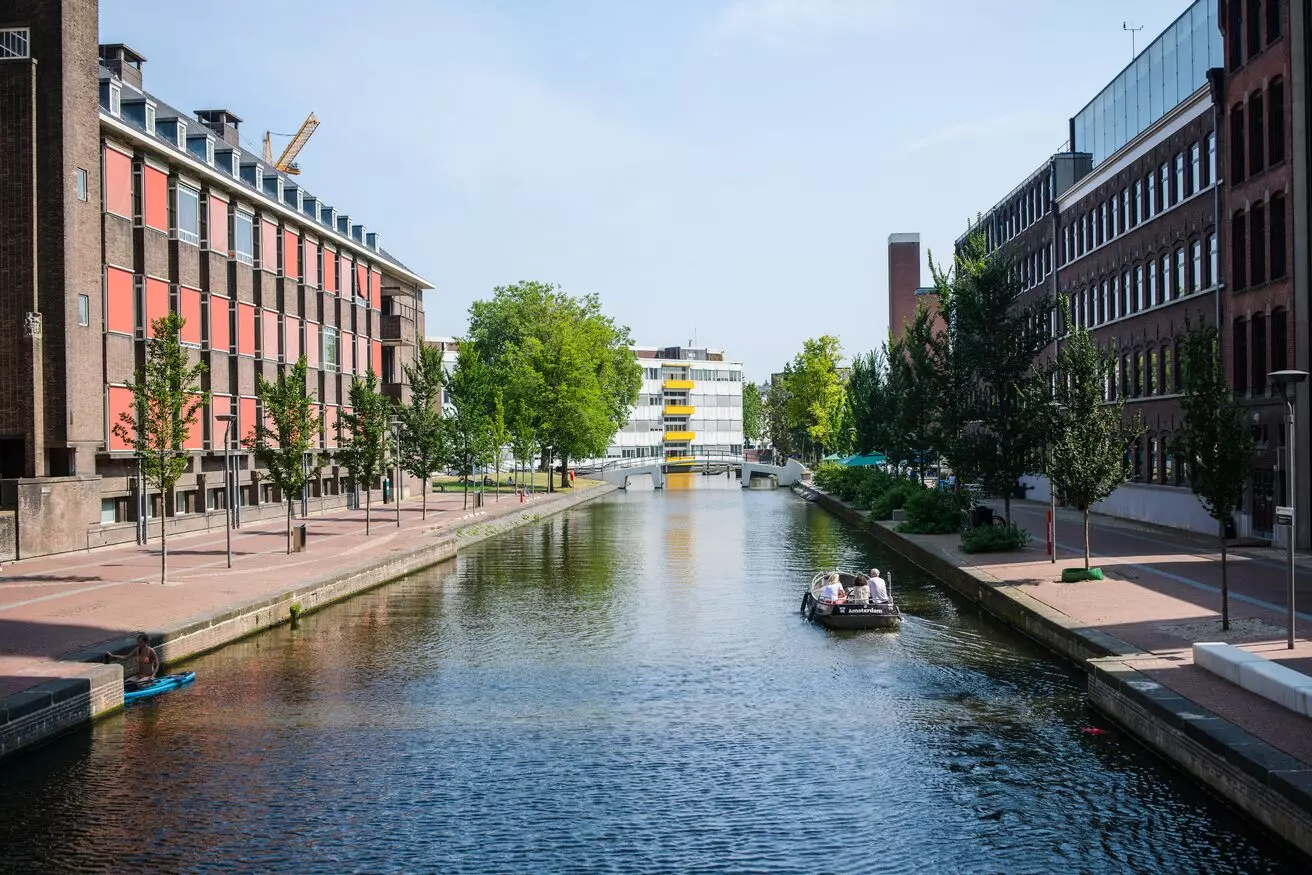
The University of Amsterdam is the largest university in the Netherlands, with the broadest spectrum of degree programmes. It is an intellectual hub with 42,000 students, 6,000 employees and 3,000 doctoral students who are all committed to a culture of inquiring minds. The Faculty of Humanities provides education and conducts research with a strong international profile in a large number of disciplines in de field of language and culture. Located in the heart of Amsterdam, the faculty maintains close ties with many cultural institutes in the capital city. Research and teaching staff focus.
Questions?
For questions about the position or department, you can contact us during office hours at:
Application
If you recognize yourself in the profile and are interested in the position, we look forward to receiving your application. Please send your cover letter and CV as a single PDF file. The cover letter should outline how you fit the project and position and initial research ideas.
The vacancy closes on 03-04-2026. The first round of interviews will take place in the two weeks after.
Questions?
For questions about the position or department, you can contact us during office hours at:
Application
If you recognize yourself in the profile and are interested in the position, we look forward to receiving your application. Please send your cover letter and CV as a single PDF file. The cover letter should outline how you fit the project and position and initial research ideas.
The vacancy closes on 03-04-2026. The first round of interviews will take place in the two weeks after.

.jpg)