Postdoctoral researcher in late medieval history and literature

Postdoctoral researcher in late medieval history and literature

Werken bij de UvA

Chivalric literature and tournament culture in the Low Countries and Northern France (1330-1550)

The aim of this project is to trace all instances of the use of chivalric myths in courtly and urban culture in France, the Low Countries, and northern Italy during the later Middle Ages. At this time, the French language enjoyed considerable prestige and functioned as a language of culture. By 'use of chivalric myths', we mean the use of references to past chivalry (Arthurian, Trojan or Carolingian) in the public or semi-public sphere for purposes ranging from political appropriation (e.g. claiming a Trojan or Arthurian ancestry) to the pleasure of owning and reading illuminated manuscripts and organising performances in which protagonists embody literary characters.

This postdoctoral research will focus on the relationship between chivalric literature and tournament culture in the Low Countries and northern France from 1330 to 1550. The aim is to analyse how widely circulated Arthurian tales influenced the conception and staging of tournaments, particularly the Pas d'armes, and how these events became privileged venues for expressing chivalric values such as courtesy, prowess and loyalty. The researcher will also examine how organisers and participants adopted literary models and the social and political purposes of tournaments as spaces for interaction and distinction between princes, nobles, and urban elites. Sources will include chronicles, literary accounts and urban and princely financial accounts. The project will also highlight the evolution of literary tastes and social practices throughout the fifteenth century, demonstrating how chivalric culture adapted to changes at the princely court and in urban society.

Werken bij de UvA

Chivalric literature and tournament culture in the Low Countries and Northern France (1330-1550)

The aim of this project is to trace all instances of the use of chivalric myths in courtly and urban culture in France, the Low Countries, and northern Italy during the later Middle Ages. At this time, the French language enjoyed considerable prestige and functioned as a language of culture. By 'use of chivalric myths', we mean the use of references to past chivalry (Arthurian, Trojan or Carolingian) in the public or semi-public sphere for purposes ranging from political appropriation (e.g. claiming a Trojan or Arthurian ancestry) to the pleasure of owning and reading illuminated manuscripts and organising performances in which protagonists embody literary characters.

This postdoctoral research will focus on the relationship between chivalric literature and tournament culture in the Low Countries and northern France from 1330 to 1550. The aim is to analyse how widely circulated Arthurian tales influenced the conception and staging of tournaments, particularly the Pas d'armes, and how these events became privileged venues for expressing chivalric values such as courtesy, prowess and loyalty. The researcher will also examine how organisers and participants adopted literary models and the social and political purposes of tournaments as spaces for interaction and distinction between princes, nobles, and urban elites. Sources will include chronicles, literary accounts and urban and princely financial accounts. The project will also highlight the evolution of literary tastes and social practices throughout the fifteenth century, demonstrating how chivalric culture adapted to changes at the princely court and in urban society.

Alles over deze vacature

This is what you will be doing

  • Designing and conducting research under the guidance of the project leader, resulting in at least two peer-reviewed academic publications in (inter)national scientific journals, edited volumes, and/or monographs;
  • Supplying data for a database which will be constructed together with other members of the research network;
  • Making a critical edition of the chronicle of Guillaume Laseur, Histoire de Gaston IV, comte de Foix (Berlin, Staatsbibliothek, MS Ham. 606), together with the researchers based in Zürich;
  • Co-organizing expert meetings and a symposium at the end of the project;
  • Participating in committees and working groups, as well as performing administrative tasks.

This what we ask of you

  • PhD in a relevant field:  history, cultural history, literary history, book studies or a related field;
  • Demonstrable experience of publishing in leading international academic journals;
  • Demonstrable experience of conducting research in archives containing material from the fourteenth to sixteenth centuries;
  • Demonstrable affinity with communicating academic research to non-academic audiences;
  • Excellent interpersonal, communication and organisational skills;
  • Good command of (Middle) Dutch, (Middle) French, and English.

This is what we offer you

  • We offer full-time (38 hours per week) employment as Researcher 4 (postdoc). The initial contract will be for one year. Contingent on a positive performance evaluation after 9 months, the contract will be extended with ​two years. The preferred starting date is 1 October 2026.
  • A creative role in which personal initiative and input are highly valued;
  • An enthusiastic and professional international and interdisciplinary team;
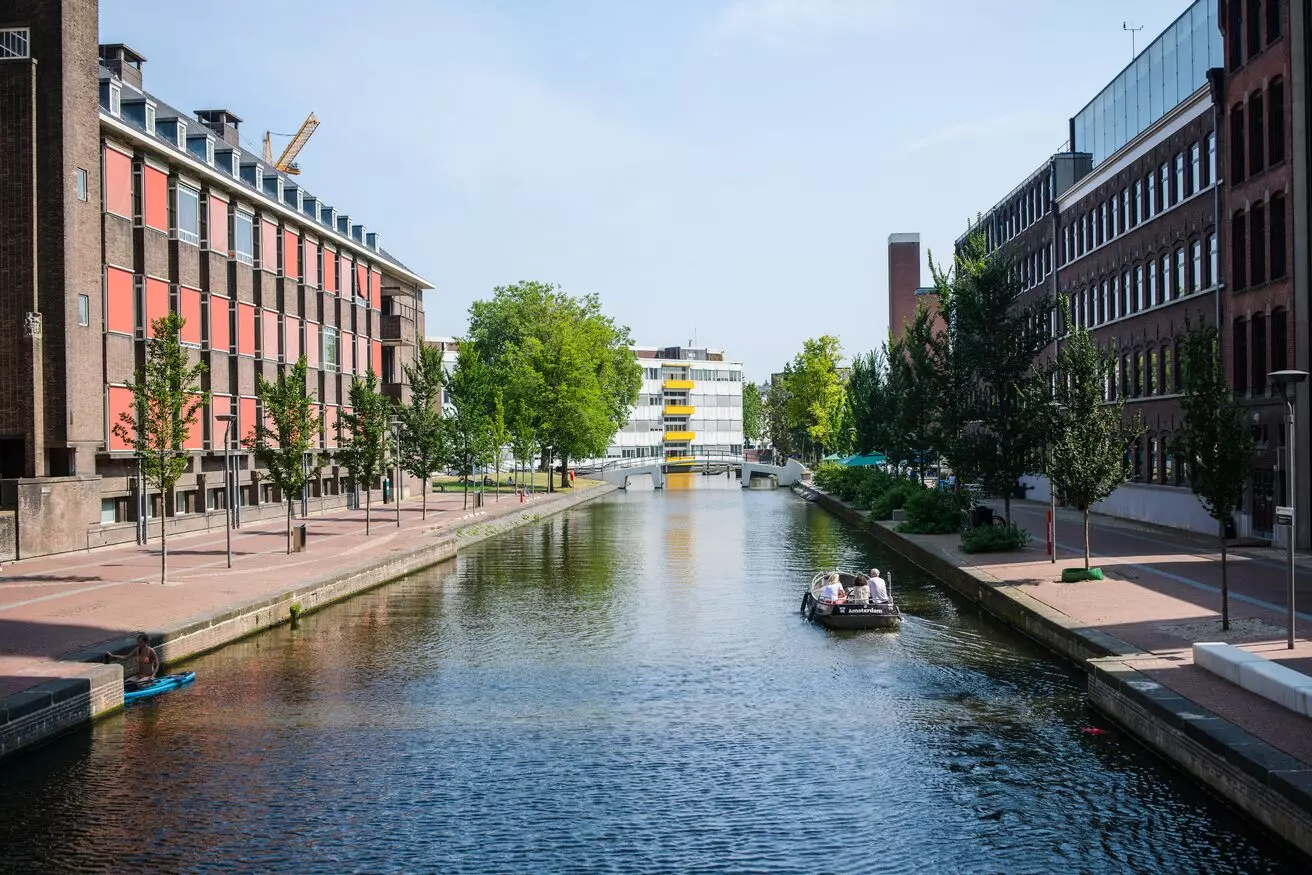
  • An inspiring academic and international working environment in the heart of Amsterdam.

Alles over deze vacature

This is what you will be doing

  • Designing and conducting research under the guidance of the project leader, resulting in at least two peer-reviewed academic publications in (inter)national scientific journals, edited volumes, and/or monographs;
  • Supplying data for a database which will be constructed together with other members of the research network;
  • Making a critical edition of the chronicle of Guillaume Laseur, Histoire de Gaston IV, comte de Foix (Berlin, Staatsbibliothek, MS Ham. 606), together with the researchers based in Zürich;
  • Co-organizing expert meetings and a symposium at the end of the project;
  • Participating in committees and working groups, as well as performing administrative tasks.

This what we ask of you

  • PhD in a relevant field:  history, cultural history, literary history, book studies or a related field;
  • Demonstrable experience of publishing in leading international academic journals;
  • Demonstrable experience of conducting research in archives containing material from the fourteenth to sixteenth centuries;
  • Demonstrable affinity with communicating academic research to non-academic audiences;
  • Excellent interpersonal, communication and organisational skills;
  • Good command of (Middle) Dutch, (Middle) French, and English.

This is what we offer you

  • We offer full-time (38 hours per week) employment as Researcher 4 (postdoc). The initial contract will be for one year. Contingent on a positive performance evaluation after 9 months, the contract will be extended with ​two years. The preferred starting date is 1 October 2026.
  • A creative role in which personal initiative and input are highly valued;
  • An enthusiastic and professional international and interdisciplinary team;
  • An inspiring academic and international working environment in the heart of Amsterdam.

Jouw plek bij de UvA

This is where you'll be working

At the UvA, you will work closely with the project leader, Mario Damen. The project is embedded within the research groups ‘Power and Society in the Later Middle Ages’ and the ‘Amsterdam Centre for Urban History’ (ACUH). These research groups form part of the Amsterdam School for Historical Studies (ASH) at the Amsterdam Institute for Humanities Research (AIHR) within the Faculty of Humanities at the UvA. You will also become a member of the national Dutch Research School for Medieval Studies.

Over de Faculteit der Geesteswetenschappen

Van moderne en klassieke talen, geschiedenis, de kunstwetenschappen, archeologie, religiestudies en filosofie tot nieuwe media, digital humanities en conservering en restauratie: de Faculteit der Geesteswetenschappen omvat een breed spectrum aan vooruitstrevend onderwijs en onderzoek. Vanuit het historische hart van Amsterdam onderhoudt zij intensieve contacten met vele partners in cultuur, maatschappij en bedrijfsleven. Daarmee maakt zij deel uit van een geesteswetenschappelijke hub van internationale allure.

Jouw plek bij de UvA

Hier ga je werken

This is where you'll be working

At the UvA, you will work closely with the project leader, Mario Damen. The project is embedded within the research groups ‘Power and Society in the Later Middle Ages’ and the ‘Amsterdam Centre for Urban History’ (ACUH). These research groups form part of the Amsterdam School for Historical Studies (ASH) at the Amsterdam Institute for Humanities Research (AIHR) within the Faculty of Humanities at the UvA. You will also become a member of the national Dutch Research School for Medieval Studies.

Over de Faculteit der Geesteswetenschappen

Van moderne en klassieke talen, geschiedenis, de kunstwetenschappen, archeologie, religiestudies en filosofie tot nieuwe media, digital humanities en conservering en restauratie: de Faculteit der Geesteswetenschappen omvat een breed spectrum aan vooruitstrevend onderwijs en onderzoek. Vanuit het historische hart van Amsterdam onderhoudt zij intensieve contacten met vele partners in cultuur, maatschappij en bedrijfsleven. Daarmee maakt zij deel uit van een geesteswetenschappelijke hub van internationale allure.

Belangrijk om te weten

Jouw sollicitatie & contact

If you recognize yourself in the profile and are interested in the position, we look forward to receiving your application. Applications must include the following information and be submitted as a single PDF file:

  • A letter of motivation;
  • A research proposal (max. 800 words) in which you outline how you intend to carry out your project and how this contributes to the themes of the research project;
  • A full academic CV with a list of publications and contact details of two referees who may be contacted by the selection committee;
  • A publication of your choice. 

For questions about the position or department, you can contact us at: 

Only complete applications received via the link below within the application deadline will be considered.

The vacancy closes on 24-06-2026. The first round of interviews will take place in the first week of July.

Acquisitie wordt niet op prijs gesteld.

Diversiteit en inclusie

Als werkgever handhaaft de UvA een beleid van gelijke kansen. We vinden diversiteit belangrijk en zetten ons volledig in om een plek te zijn waar iedereen zich thuis voelt. We koesteren de onderzoekende geest en het doorzettingsvermogen en laten de ruimte om door te vragen. Bij ons vormen nieuwsgierigheid en creativiteit de heersende cultuur.
Studies tonen aan dat vrouwen en leden van ondervertegenwoordigde groepen alleen solliciteren naar banen als ze aan 100% van de kwalificaties voldoen. Voldoe jij wel aan de opleidingseisen maar heb je nog niet alle gevraagde ervaring? Dan moedigt de UvA je aan om toch te solliciteren.

Belangrijk om te weten

Jouw sollicitatie & contact

If you recognize yourself in the profile and are interested in the position, we look forward to receiving your application. Applications must include the following information and be submitted as a single PDF file:

  • A letter of motivation;
  • A research proposal (max. 800 words) in which you outline how you intend to carry out your project and how this contributes to the themes of the research project;
  • A full academic CV with a list of publications and contact details of two referees who may be contacted by the selection committee;
  • A publication of your choice. 

For questions about the position or department, you can contact us at: 

Only complete applications received via the link below within the application deadline will be considered.

The vacancy closes on 24-06-2026. The first round of interviews will take place in the first week of July.

Acquisitie wordt niet op prijs gesteld.
Als werkgever handhaaft de UvA een beleid van gelijke kansen. We vinden diversiteit belangrijk en zetten ons volledig in om een plek te zijn waar iedereen zich thuis voelt. We koesteren de onderzoekende geest en het doorzettingsvermogen en laten de ruimte om door te vragen. Bij ons vormen nieuwsgierigheid en creativiteit de heersende cultuur.
Studies tonen aan dat vrouwen en leden van ondervertegenwoordigde groepen alleen solliciteren naar banen als ze aan 100% van de kwalificaties voldoen. Voldoe jij wel aan de opleidingseisen maar heb je nog niet alle gevraagde ervaring? Dan moedigt de UvA je aan om toch te solliciteren.

Mis jouw droombaan niet!

Stel een job alert in en wij houden je automatisch op de hoogte van nieuwe & relevante vacatures!

Mis jouw droombaan niet!

Stel een job alert in en wij houden je automatisch op de hoogte van nieuwe & relevante vacatures!